
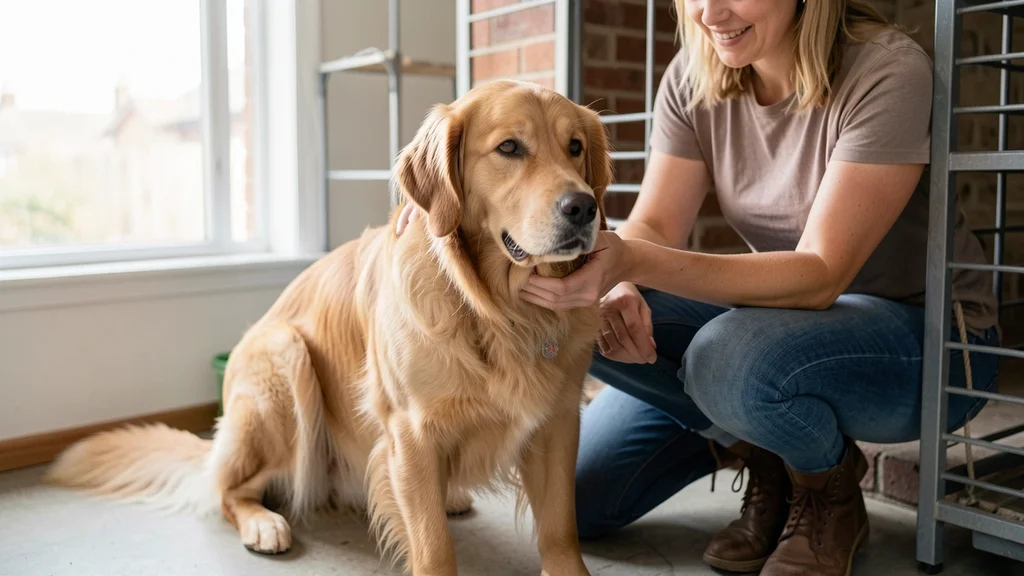
Finding the right place to take a dog to be adopted or rehomed can feel overwhelming, but the right approach ensures your pet finds a loving home. Whether you’re facing a life change or simply can’t care for your dog anymore, knowing your options helps ease the transition. From shelters to rescue organizations, each option has unique benefits for your dog’s future.
You can take a dog to be adopted or rehomed through local animal shelters, breed-specific rescues, or rehoming services like Rehome by Adopt-a-Pet. Each option connects your pet with screened adopters for a safe transition.
Local Animal Shelters and Humane Societies
Local animal shelters and humane societies are often the first choice for rehoming a dog. These organizations have the experience and resources to evaluate your pet, provide necessary medical care, and match them with suitable adopters. Most shelters have adoption programs that include spaying/neutering, vaccinations, and behavioral assessments to ensure your dog is ready for a new home.
Many shelters also offer owner surrender programs, which allow you to bring your dog in without fear of judgment. They’ll work with you to understand your dog’s needs and find the best possible match. Some shelters even provide temporary foster care if you need time to find a permanent solution.
- Pros: Professional care, high adoption rates, medical support
- Cons: May have waiting lists, some dogs face euthanasia if space is limited
- Best for: Healthy, sociable dogs with no major behavioral issues
Tip: Call ahead to schedule an appointment. Many shelters require intakes by appointment only to manage capacity.
Breed-Specific Rescue Organizations
If your dog is a purebred or a popular mixed breed, breed-specific rescues can be an excellent option. These organizations specialize in particular breeds, from Labradors to Chihuahuas, and often have deep knowledge of the breed’s needs. They can match your dog with adopters who understand and appreciate the breed’s characteristics.
Breed rescues typically have a network of foster homes rather than a physical shelter, which can be less stressful for your dog. They also tend to have rigorous adoption processes, ensuring that your pet goes to a well-prepared home. Some rescues even offer support for the original owner, such as temporary fostering or behavioral training.
| Breed | Rescue Organization Example | Website |
|---|---|---|
| Labrador Retriever | Lab Rescue LRCP | labrescuelrcp.org |
| German Shepherd | German Shepherd Rescue | gsrne.org |
| Chihuahua | Chihuahua Rescue & Transport | chihuahua-rescue.com |
| Pit Bull | Love-A-Bull Rescue | loveabulldogrescue.org |
Breed-specific rescues often have waiting lists for popular breeds, so it’s best to reach out as soon as possible. They may also require a rehoming fee to cover medical and care expenses.
General Dog Rescue Groups
General dog rescue groups accept all breeds and sizes, making them a great option if your dog doesn’t fit into a breed-specific category. These organizations often operate through a network of foster homes, which can provide a more home-like environment for your dog while they wait for adoption.
Rescue groups typically have a thorough screening process for potential adopters, including home visits, reference checks, and adoption fees. This ensures that your dog goes to a responsible and committed home. Many rescues also offer post-adoption support, such as training resources or veterinary advice.
- How to find a rescue group: Search online for “dog rescue near me” or check platforms like Petfinder or Adopt-a-Pet.
- What to expect: You’ll likely need to fill out a surrender form and provide details about your dog’s health, behavior, and history.
- Fees: Some rescues charge a surrender fee to cover costs, while others may waive it in certain situations.
Important: Be honest about your dog’s behavior and health. Rescues need accurate information to place your pet safely.
Rehoming Through Online Platforms
Online rehoming platforms connect pet owners directly with potential adopters, giving you more control over the process. Websites like Rehome by Adopt-a-Pet, Petfinder, and even Facebook groups allow you to create a profile for your dog, including photos, personality traits, and adoption requirements.
These platforms often include screening tools to help you find the best match. For example, Rehome by Adopt-a-Pet lets you review applications, ask questions, and meet potential adopters before making a decision. This can be a good option if you want to stay involved in the process and ensure your dog goes to a home you approve of.
- Create a profile: Include high-quality photos and a detailed description of your dog’s temperament, likes, and dislikes.
- Set adoption criteria: Specify requirements such as fenced yards, experience with dogs, or no young children.
- Screen adopters: Use the platform’s tools to review applications and conduct interviews.
- Meet in person: Always arrange a meet-and-greet in a neutral location to ensure compatibility.
| Platform | Fee | Key Features |
|---|---|---|
| Rehome by Adopt-a-Pet | $10-$50 | Adopter screening, direct communication |
| Petfinder | Free | Large adopter base, easy profile setup |
| Facebook Groups | Free | Local reach, community support |
Online rehoming can be faster than going through a shelter, but it requires more effort on your part to ensure a safe transition.
No-Kill Shelters and Sanctuaries
No-kill shelters and sanctuaries provide a safe haven for dogs that might otherwise face euthanasia in traditional shelters. These organizations commit to keeping animals alive until they find a home, regardless of how long it takes. They often rely on donations and volunteers to provide long-term care.
No-kill shelters are ideal for dogs with special needs, senior dogs, or those with behavioral challenges that might make them less adoptable. However, space can be limited, and there may be a waiting list. Some no-kill shelters also require a surrender fee to help cover the cost of care.
- Pros: Guaranteed safety for your dog, specialized care for special needs
- Cons: Limited space, potential waiting lists, may require fees
- How to find: Search for “no-kill shelters near me” or check organizations like Best Friends Animal Society.
Warning: Not all no-kill shelters are created equal. Research their policies and visit in person to ensure they provide proper care.
Veterinary Clinics and Pet Stores
Some veterinary clinics and pet stores offer rehoming assistance or have bulletin boards where you can post information about your dog. While this isn’t as common as other options, it can be a useful supplementary method, especially in smaller communities.
Veterinary clinics often have connections with local rescues and shelters, and they may be able to refer you to a trusted organization. Some clinics even offer temporary boarding or medical care to help transition your dog to a new home. Pet stores, particularly large chains like Petco or Petsmart, sometimes host adoption events in partnership with local rescues.
- Ask your vet: They may know of clients looking to adopt or have partnerships with rescues.
- Post flyers: Place flyers at veterinary offices, pet stores, and community centers with your dog’s photo and contact information.
- Attend adoption events: Some pet stores host weekend adoption fairs where you can bring your dog to meet potential adopters.
Preparing Your Dog for Rehoming
Before you take your dog to be adopted or rehomed, it’s important to prepare them for the transition. This includes ensuring they’re healthy, up-to-date on vaccinations, and comfortable with new people and environments. A well-prepared dog is more likely to find a home quickly and adjust smoothly.
Start by scheduling a vet visit to address any health concerns and update vaccinations. Gather all medical records, including proof of spaying/neutering, vaccinations, and any treatments for chronic conditions. This information is valuable for potential adopters and rescues.
- Health check: Ensure your dog is free from fleas, ticks, and worms. Address any minor health issues before rehoming.
- Behavioral assessment: Note any behavioral quirks, such as fear of thunder or aggression toward other dogs, and share this with the rescue or adopter.
- Socialization: Expose your dog to new people, places, and other animals to help them adapt to change.
- Essentials to provide: Include your dog’s favorite toys, bed, and a supply of their current food to ease the transition.
Tip: Take photos and videos of your dog in different settings to showcase their personality to potential adopters.
Common Mistakes to Avoid When Rehoming a Dog
Rehoming a dog is a big decision, and it’s easy to make mistakes that can complicate the process or put your pet at risk. Avoiding these common pitfalls can help ensure a smooth and safe transition for your dog.
One of the biggest mistakes is not being upfront about your dog’s behavior or health issues. Hiding problems can lead to failed adoptions and may even result in your dog being returned or abandoned. Another mistake is rushing the process—taking the time to find the right home is crucial for your dog’s long-term well-being.
- Not screening adopters: Always meet potential adopters in person and ask questions to ensure they’re a good fit.
- Skipping the vet visit: A health check can uncover issues that need to be addressed before rehoming.
- Ignoring legalities: Some areas have laws about rehoming pets. Check local regulations to avoid legal trouble.
- Giving up too soon: Rehoming can take time. Be patient and don’t settle for the first offer that comes along.
- Overlooking emotional impact: Rehoming can be stressful for both you and your dog. Prepare emotionally and consider counseling if needed.
Frequently Asked Questions
Is it free to surrender a dog to a shelter?
Not always. Many shelters and rescues charge a surrender fee to cover the cost of care, vaccinations, and other expenses. Fees can range from $20 to $100 or more, depending on the organization.
Some may waive fees in cases of financial hardship or emergencies.
How long does it take to rehome a dog?
The time it takes to rehome a dog varies widely. Healthy, well-behaved dogs may find homes within days or weeks, while dogs with special needs or behavioral issues could take months. Using multiple rehoming methods, such as shelters and online platforms, can speed up the process.
Can I rehome my dog to a friend or family member?
Yes, rehoming to someone you know can be a great option. It allows you to ensure your dog goes to a trusted home and may reduce stress for your pet. Just make sure the new owner is fully prepared for the responsibility and that the transition is gradual.
What should I do if I can’t afford rehoming fees?
If you’re struggling with rehoming fees, reach out to local rescues or shelters to explain your situation. Some organizations offer financial assistance or payment plans. You can also try online rehoming platforms, which often have lower or no fees.
How do I know if a rescue or shelter is reputable?
Research is key. Look for reviews, ask for recommendations from vets or other pet owners, and visit the facility in person if possible. Reputable organizations will be transparent about their processes, fees, and how they care for animals.
Avoid places that seem overcrowded or unwilling to answer questions.
Final Thoughts
Rehoming a dog is a significant decision, but knowing where to take a dog to be adopted or rehomed makes the process smoother. Whether you choose a shelter, rescue, or online platform, prioritize your pet’s well-being and take the time to find the right fit. With the right approach, your dog can transition to a loving new home with minimal stress.