
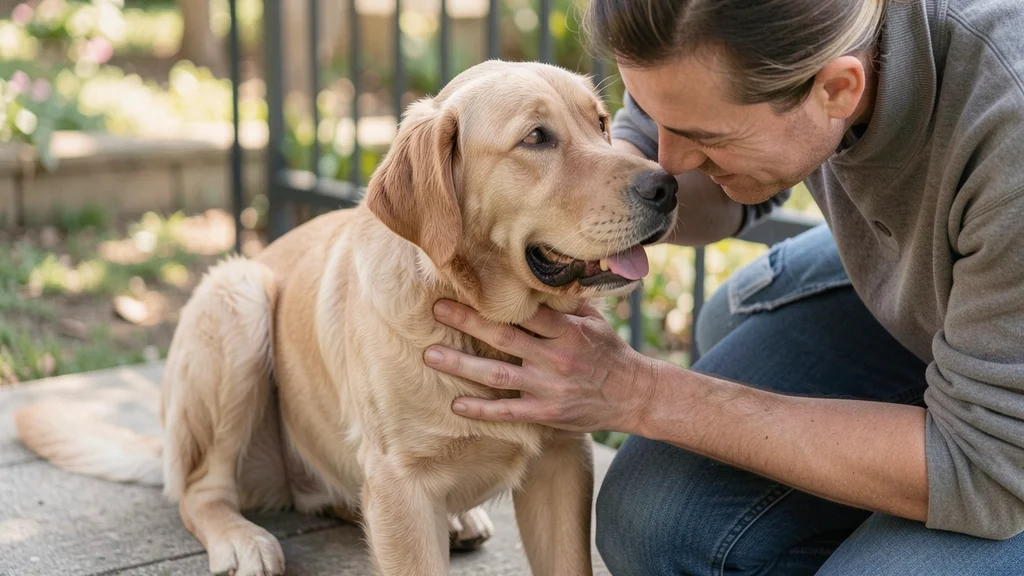
Welcoming a puppy into your life is an exciting journey filled with growth and milestones. One of the most common questions new dog owners ask is when is a puppy considered an adult dog. The transition from playful pup to mature adult varies by breed, size, and individual development, but there are clear signs to look for.
This guide will help you recognize the physical, behavioral, and emotional changes that mark this important stage in your dog’s life.
Most puppies are considered adult dogs between 12 to 24 months, depending on breed size. Smaller breeds mature faster, often by 12 months, while larger breeds may take up to 2 years to reach full adulthood.
Physical Signs Your Puppy Is Becoming an Adult Dog
The most noticeable changes as your puppy matures are physical. These signs are often the first indicators that your furry friend is transitioning into adulthood.
One of the earliest physical signs is the slowing of growth. Puppies grow rapidly in their first few months, but as they approach adulthood, their growth rate slows significantly. For small breeds, this can happen as early as 6-8 months, while larger breeds may continue growing until 18-24 months.
You’ll notice your puppy’s paws, once disproportionately large, start to look more proportional to their body.
Another key physical sign is the development of adult teeth. Puppies typically lose their baby teeth between 4 to 6 months, and by 7-8 months, they should have a full set of adult teeth. The coat also changes during this period.
Puppies often have a softer, fluffier coat that sheds and is replaced by a denser, coarser adult coat. This transition is particularly noticeable in breeds with double coats, such as Huskies or Golden Retrievers.
- Growth Slowdown: Noticeable reduction in height and weight gain
- Adult Teeth: Full set of 42 permanent teeth replaces puppy teeth
- Coat Changes: Puppy fur is shed and replaced with an adult coat
- Muscle Definition: More defined muscles and a leaner physique
- Sexual Maturity: Onset of heat cycles in females and testicle descent in males
Important: Neutering or spaying can affect the timeline of physical maturity. Consult your vet for breed-specific advice.
Behavioral Changes That Indicate Maturity
As your puppy grows, their behavior will evolve in ways that signal their transition to adulthood. These changes are often more subtle than physical signs but are equally important.
One of the first behavioral changes is a reduction in hyperactivity. Puppies are known for their boundless energy and playful antics, but as they mature, they tend to become calmer and more settled. This doesn’t mean they won’t still enjoy playtime, but they’ll likely be less destructive and more focused during activities.
You may also notice that your puppy’s attention span improves. They’ll be better able to focus on tasks, such as training sessions or interactive toys.
Another significant behavioral change is the development of independence. Puppies often follow their owners everywhere and exhibit signs of separation anxiety when left alone. As they grow into adults, they typically become more confident and comfortable spending time on their own.
This independence is a sign that your puppy is maturing emotionally as well as physically.
Adult dogs also tend to exhibit more predictable behavior. While puppies can be unpredictable—one moment they’re playing, the next they’re napping—adult dogs usually settle into a more consistent routine. This predictability makes it easier to plan activities and manage their care.
- Reduced Hyperactivity: Less frantic energy and more controlled play
- Improved Focus: Longer attention spans during training and activities
- Increased Independence: More comfortable being alone for short periods
- Predictable Routines: Consistent patterns in sleep, eating, and play
- Reduced Chewing/Destruction: Less likely to chew on furniture or household items
Breed-Specific Timelines for Maturity
The timeline for when a puppy is considered an adult dog can vary significantly depending on the breed. Smaller breeds tend to mature faster than larger breeds, both physically and behaviorally.
Small breeds, such as Chihuahuas, Pomeranians, and Shih Tzus, often reach adulthood by 10-12 months. These dogs grow quickly and tend to have shorter lifespans compared to larger breeds. Their rapid growth means they often reach physical maturity earlier, though their behavioral maturity may take a bit longer.
Medium-sized breeds, like Beagles, Bulldogs, and Cocker Spaniels, typically take a bit longer to mature. These dogs usually reach adulthood between 12 to 15 months. They may continue to fill out and develop muscle mass well into their second year.
Large and giant breeds, such as Labradors, German Shepherds, and Great Danes, have the longest maturity timelines. These dogs often take 18 to 24 months to reach full physical and behavioral maturity. Their larger size means they need more time to develop their bones, muscles, and joints properly.
It’s important to note that giant breeds, like Great Danes or Mastiffs, may continue to grow and mature even beyond 24 months.
| Breed Size | Physical Maturity | Behavioral Maturity |
|---|---|---|
| Small (under 20 lbs) | 8-10 months | 10-12 months |
| Medium (20-50 lbs) | 10-12 months | 12-15 months |
| Large (50-100 lbs) | 12-18 months | 15-18 months |
| Giant (over 100 lbs) | 18-24 months | 20-24 months |
According to the American Kennel Club, breed size is the most significant factor in determining when a puppy reaches adulthood. Smaller breeds mature faster, while larger breeds take more time to develop fully.
Sexual Maturity vs. Full Adulthood
It’s important to distinguish between sexual maturity and full adulthood. Many puppies reach sexual maturity before they are fully grown physically or behaviorally.
Sexual maturity typically occurs between 6 to 12 months, depending on the breed. Female dogs may experience their first heat cycle as early as 6 months, while male dogs may start lifting their legs to mark territory or show interest in female dogs around the same time. However, just because a dog is sexually mature doesn’t mean they are ready for breeding.
Most veterinarians recommend waiting until a dog is at least 18-24 months old before breeding to ensure they are fully mature physically and emotionally.
Neutering or spaying your dog can also affect their maturity timeline. Dogs that are neutered or spayed before reaching full maturity may take longer to develop certain physical and behavioral traits. For example, early neutering in large breeds can sometimes lead to delayed closure of growth plates, which may result in a taller, lankier appearance.
It’s essential to discuss the best timing for spaying or neutering with your veterinarian, as recommendations can vary based on breed, size, and health considerations.
- First Heat Cycle (Females): Typically between 6-12 months
- Testicle Descent (Males): Usually by 6-8 months
- Marking Behavior: Males may start lifting their legs around 6-12 months
- Breeding Readiness: Recommended at 18-24 months for full maturity
- Spay/Neuter Considerations: Timing can impact growth and development
Nutritional Needs During the Transition to Adulthood
As your puppy transitions into adulthood, their nutritional needs will change. Providing the right diet is crucial for supporting their growth and ensuring a smooth transition to adulthood.
Puppies require a diet that is high in protein, fat, and calories to support their rapid growth and development. Puppy food is specifically formulated to meet these needs, with higher levels of essential nutrients like calcium and phosphorus for bone development. However, as your puppy approaches adulthood, their nutritional requirements will shift.
Adult dog food is designed to maintain their health rather than support growth, with balanced levels of protein, fat, and carbohydrates.
The transition from puppy food to adult food should be gradual to avoid upsetting your dog’s digestive system. Start by mixing a small amount of adult food into their puppy food and gradually increase the proportion over 7-10 days. This slow transition helps your dog’s stomach adjust to the new diet and reduces the risk of digestive issues like diarrhea or vomiting.
The timing of the switch depends on your dog’s breed and size. Small breeds can often transition to adult food between 9-12 months, while larger breeds may need to stay on puppy food until 18-24 months. Consult your veterinarian for personalized advice based on your dog’s specific needs.
| Nutrient | Puppy Food | Adult Food |
|---|---|---|
| Protein | 22-32% | 18-25% |
| Fat | 10-25% | 10-15% |
| Calcium | 0.8-1.2% | 0.6-1.0% |
| Phosphorus | 0.7-1.0% | 0.5-0.8% |
The Association of American Feed Control Officials (AAFCO) sets nutritional standards for dog foods. Always choose a food that meets AAFCO’s guidelines for your dog’s life stage.
Tip: Look for dog foods labeled as “complete and balanced” for your dog’s specific life stage (puppy, adult, or all life stages).
Training and Socialization for a Smooth Transition
Training and socialization play a crucial role in helping your puppy transition into a well-adjusted adult dog. These efforts should begin early and continue consistently throughout their development.
Puppy training should start as soon as you bring your new furry friend home, typically around 8-12 weeks of age. Basic obedience commands like “sit,” “stay,” and “come” are essential for establishing good behavior and communication. As your puppy grows, you can introduce more advanced commands and tricks.
Training not only teaches your dog important skills but also strengthens the bond between you and your pet.
Socialization is equally important during your puppy’s early months. Exposing your puppy to a variety of people, animals, environments, and experiences helps them develop into a confident and well-behaved adult dog. The critical socialization period for puppies is between 8 to 16 weeks of age, but socialization should continue throughout their first year and beyond.
Well-socialized dogs are less likely to develop behavioral issues like aggression or anxiety.
As your puppy approaches adulthood, you may notice that they respond differently to training. Adult dogs often have longer attention spans and can focus on more complex tasks. However, it’s important to remain patient and consistent with your training efforts.
Positive reinforcement, such as treats, praise, and play, is the most effective way to encourage good behavior and strengthen your bond.
- Start Early: Begin training and socialization as soon as you bring your puppy home
- Basic Obedience: Teach essential commands like “sit,” “stay,” and “come”
- Advanced Training: Introduce more complex commands and tricks as your puppy matures
- Socialization: Expose your puppy to new people, animals, and environments regularly
- Positive Reinforcement: Use treats, praise, and play to reward good behavior
- Consistency: Maintain a consistent training routine to reinforce learning
Warning: Avoid using punishment-based training methods, as they can damage your dog’s trust and lead to behavioral issues.
Health Considerations for Transitioning Puppies
As your puppy grows into an adult dog, their health needs will evolve. Regular veterinary care is essential to ensure a smooth transition and address any potential health concerns.
Vaccinations are a critical aspect of your puppy’s health care. Puppies typically receive a series of vaccinations during their first few months to protect them from common diseases like distemper, parvovirus, and rabies. As your puppy approaches adulthood, they’ll need booster shots to maintain their immunity.
Your veterinarian will provide a vaccination schedule tailored to your dog’s specific needs and lifestyle.
Parasite prevention is another important consideration. Puppies are particularly susceptible to internal and external parasites like worms, fleas, and ticks. As your puppy grows, continue to administer regular parasite preventatives to protect them from these pests.
Your veterinarian can recommend the best products for your dog’s age, size, and lifestyle.
Dental care is often overlooked but is crucial for your dog’s overall health. Puppies begin teething around 3-4 months of age, and by 7-8 months, they should have a full set of adult teeth. Regular dental care, including brushing your dog’s teeth and providing dental chews or toys, can help prevent dental disease and maintain good oral health.
According to the American Veterinary Dental College, over 80% of dogs show signs of dental disease by age 3, making dental care an essential part of your dog’s health routine.
- Vaccinations: Follow your veterinarian’s recommended schedule for booster shots
- Parasite Prevention: Administer regular preventatives for fleas, ticks, and worms
- Dental Care: Brush your dog’s teeth regularly and provide dental chews or toys
- Regular Check-ups: Schedule annual or bi-annual veterinary exams
- Spay/Neuter: Discuss the best timing for spaying or neutering with your veterinarian
Common Mistakes to Avoid During the Transition
As your puppy transitions into adulthood, there are several common mistakes that pet owners should avoid to ensure a smooth and healthy development.
One of the most common mistakes is switching to adult food too early. Puppies have unique nutritional needs to support their growth and development, and switching to adult food too soon can lead to nutritional deficiencies or health issues. Always consult your veterinarian before making any changes to your puppy’s diet.
Another mistake is neglecting training and socialization as your puppy grows. Some pet owners assume that once their puppy reaches a certain age, they no longer need training or socialization. However, consistent training and socialization are essential for reinforcing good behavior and preventing behavioral issues.
Adult dogs can still learn new skills and benefit from regular socialization.
Over-exercising your puppy is another common mistake. While exercise is important for your puppy’s physical and mental health, too much exercise can put excessive strain on their developing bones and joints. This is particularly true for large and giant breeds, which are more susceptible to joint issues like hip dysplasia.
Follow your veterinarian’s recommendations for appropriate exercise levels based on your puppy’s breed, size, and age.
- Switching Food Too Early: Wait until your puppy is fully mature before switching to adult food
- Neglecting Training: Continue training and socialization throughout your puppy’s development
- Over-Exercising: Avoid excessive exercise to protect your puppy’s developing bones and joints
- Skipping Vet Visits: Regular veterinary check-ups are essential for monitoring your puppy’s health
- Ignoring Behavioral Changes: Address any behavioral issues promptly to prevent them from worsening
Frequently Asked Questions
How can I tell if my puppy is becoming an adult dog?
Look for physical signs like slowed growth, adult teeth, and coat changes, as well as behavioral changes like reduced hyperactivity and increased independence. These signs typically appear between 12 to 24 months, depending on the breed.
At what age do small breed puppies become adults?
Small breed puppies, such as Chihuahuas or Pomeranians, usually reach adulthood between 10 to 12 months. They mature faster than larger breeds, both physically and behaviorally.
When should I switch my puppy to adult dog food?
The timing depends on your dog’s breed and size. Small breeds can often transition to adult food between 9-12 months, while larger breeds may need to stay on puppy food until 18-24 months. Always consult your veterinarian for personalized advice.
Can I breed my dog as soon as they reach sexual maturity?
No, it’s not recommended. While dogs may reach sexual maturity between 6 to 12 months, they should not be bred until they are fully mature physically and emotionally, typically around 18-24 months. Breeding too early can lead to health issues for both the mother and puppies.
How can I help my puppy transition smoothly into adulthood?
Provide consistent training and socialization, maintain a balanced diet, ensure regular veterinary care, and be patient with behavioral changes. A structured routine and positive reinforcement will help your puppy develop into a well-adjusted adult dog.
Final Thoughts
Recognizing when a puppy is considered an adult dog involves observing physical, behavioral, and emotional changes. While the timeline varies by breed, most puppies transition into adulthood between 12 to 24 months. Providing proper nutrition, consistent training, and regular veterinary care will ensure a smooth and healthy transition.
By understanding these milestones, you can better support your puppy’s journey into adulthood and enjoy a lifelong bond with your furry companion.