
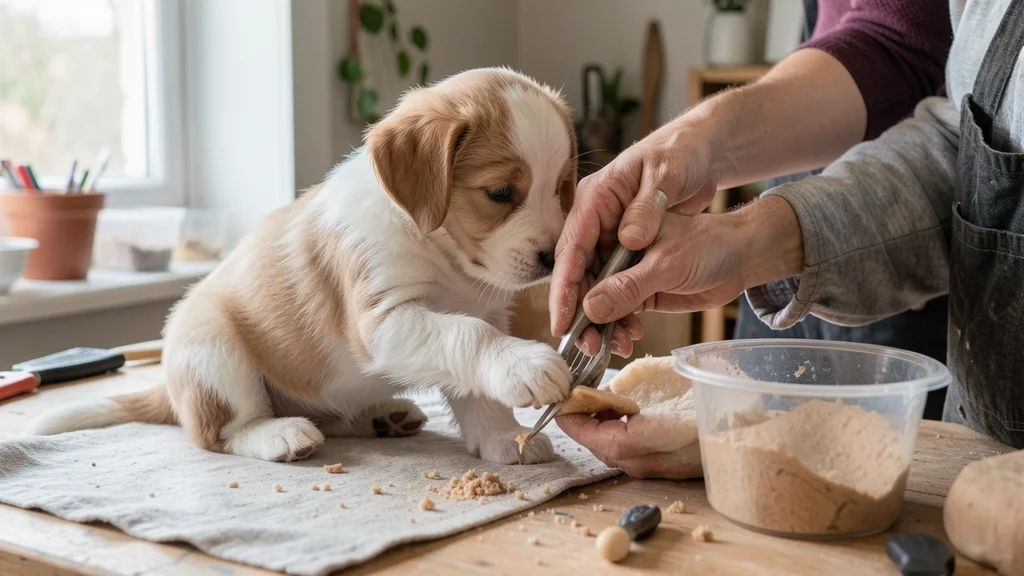
Welcoming a new puppy into your home is an exciting journey filled with growth and discovery. Understanding the puppy growth stages from baby to adult helps you provide the best care at every phase. From their tiny, helpless newborn days to their energetic adolescent months, each stage comes with unique developmental milestones and care needs.
This guide breaks down what to expect, ensuring your furry friend thrives at every turn.
Puppies go through six key growth stages from birth to adulthood, each lasting 2-8 weeks. These stages include neonatal, transitional, socialization, juvenile, adolescent, and maturity, with major physical and behavioral changes at each step.
Neonatal Stage Birth to Two Weeks
During the neonatal stage, puppies are completely dependent on their mother for warmth, nourishment, and protection. Born blind and deaf, they rely on touch and smell to navigate their surroundings. Their primary activities are sleeping and nursing, as their tiny bodies are not yet capable of regulating temperature or eliminating waste independently.
This stage is critical for survival, as puppies are extremely vulnerable. They cannot see or hear, so their world is limited to the nest and their littermates. The mother’s milk provides essential antibodies that help build their immune system, making proper nutrition vital during this time.
- Weight Gain: Puppies typically double their birth weight within the first 7-10 days.
- Sleep: They sleep for about 90% of the day, conserving energy for growth.
- Senses: Touch and smell are the only developed senses at this stage.
- Temperature Regulation: Puppies cannot regulate their body temperature and rely on their mother and littermates for warmth.
- Elimination: The mother stimulates puppies to urinate and defecate by licking them.
Tip: Ensure the nesting area is warm, quiet, and free from drafts. A heating pad set to low can help maintain a consistent temperature if the mother is not present.
Transitional Stage Two to Four Weeks
The transitional stage marks the beginning of rapid development. Puppies start to open their eyes and ears, usually between 10-14 days old, allowing them to interact more with their environment. They begin to stand, take their first wobbly steps, and even attempt to bark.
This stage is also when their teeth start to emerge, signaling the beginning of the weaning process.
As their senses develop, puppies become more aware of their littermates and start to engage in playful behaviors. They also begin to develop their sense of smell and taste, which prepares them for the transition to solid food. Social interactions with their mother and siblings help them learn bite inhibition and basic social cues.
- Eyes Open: Puppies’ eyes open between 10-14 days, though their vision is still blurry.
- Ears Open: Their ear canals open around the same time, allowing them to hear for the first time.
- First Steps: Puppies start to stand and take their first steps, though they are still unsteady.
- Teething: Baby teeth begin to emerge, making it the right time to introduce soft solid foods.
- Social Play: Puppies start to interact with their littermates, learning important social skills.
| Milestone | Age Range | Description |
|---|---|---|
| Eyes Open | 10-14 days | Puppies begin to see, though vision is still developing. |
| Ears Open | 10-14 days | Puppies start to hear sounds for the first time. |
| First Steps | 2-3 weeks | Puppies begin to stand and take their first steps. |
During this stage, it’s important to introduce puppies to new textures and tastes. Start offering a shallow dish of water and soft, moist food to encourage weaning. This gradual transition helps them adapt to solid foods while still receiving essential nutrients from their mother’s milk.
Socialization Stage Four to Twelve Weeks
The socialization stage is one of the most critical periods in a puppy’s development. During this time, puppies learn to interact with their environment, other animals, and humans. Proper socialization helps prevent behavioral issues such as fear, aggression, and anxiety later in life.
Puppies are highly impressionable, making this the ideal time to expose them to a variety of experiences, sounds, and people.
This stage is also when puppies begin to develop their personalities. They start to explore their surroundings, play with toys, and engage in more complex social behaviors with their littermates. Vaccinations typically begin during this period, so it’s important to balance socialization with health precautions to avoid exposing them to diseases.
- Human Interaction: Puppies should be gently handled by different people to build trust and confidence.
- Environmental Exposure: Introduce puppies to various sounds, surfaces, and objects to reduce fear responses.
- Vaccinations: Start the vaccination schedule to protect against common diseases like parvovirus and distemper.
- Bite Inhibition: Puppies learn to control their bite through play with littermates and humans.
- Basic Training: Simple commands like “sit,” “stay,” and “come” can be introduced.
- Weaning: By 6-8 weeks, puppies should be fully weaned and eating solid food.
Warning: Avoid taking puppies to public places like dog parks before they are fully vaccinated. This can expose them to harmful diseases.
| Activity | Age Range | Benefits |
|---|---|---|
| Handling by Humans | 4-12 weeks | Builds trust and reduces fear of humans. |
| Exposure to Sounds | 4-12 weeks | Reduces sensitivity to loud noises like vacuums or traffic. |
| Basic Training | 6-8 weeks | Establishes foundation for obedience and good behavior. |
Juvenile Stage Three to Six Months
The juvenile stage is a time of high energy, curiosity, and rapid physical growth. Puppies at this stage are often compared to toddlers—they are full of energy, eager to explore, and can be a handful! This is when they start to test boundaries, so consistent training and positive reinforcement are essential.
Puppies also begin to lose their baby teeth and grow their adult teeth, which can lead to increased chewing behavior.
During this stage, puppies require plenty of mental and physical stimulation to prevent boredom and destructive behaviors. Regular exercise, interactive toys, and training sessions help channel their energy in positive ways. It’s also important to continue socializing them with other dogs and people to reinforce good behavior and confidence.
- Teething: Puppies lose their baby teeth and grow adult teeth, leading to chewing on objects.
- Energy Levels: High energy requires regular exercise and playtime.
- Training: Reinforce basic commands and introduce new ones like “leave it” and “drop it.”
- Socialization: Continue exposing puppies to new experiences and environments.
- Diet: Transition to a high-quality puppy food formula to support growth.
Important: Provide plenty of chew toys to soothe sore gums during teething. Avoid giving them items that resemble household objects to prevent confusion.
Adolescent Stage Six to Eighteen Months
The adolescent stage is often the most challenging for puppy owners. This is when puppies start to assert their independence, much like human teenagers. They may test boundaries, ignore commands, and exhibit stubborn behavior.
However, this stage is also when they begin to mature physically and mentally, developing the traits and behaviors they will carry into adulthood.
During adolescence, puppies experience significant hormonal changes, which can lead to mood swings and behavioral challenges. Spaying or neutering is often recommended during this stage to prevent unwanted litters and reduce certain health risks. Consistent training and patience are key to guiding them through this phase.
Puppies also require a balanced diet to support their continued growth and development.
- Independence: Puppies may start to ignore commands and assert their own will.
- Hormonal Changes: This stage includes the onset of sexual maturity, leading to behaviors like marking or roaming.
- Training Challenges: Puppies may regress in their training, requiring reinforcement and patience.
- Dietary Needs: Transition to adult dog food as they near full maturity, typically around 12-18 months.
- Exercise: Continue providing plenty of physical and mental stimulation to prevent boredom.
| Behavior | Cause | Solution |
|---|---|---|
| Ignoring Commands | Testing boundaries and asserting independence. | Reinforce training with positive reinforcement and consistency. |
| Marking Territory | Hormonal changes and sexual maturity. | Consider spaying or neutering to reduce marking behavior. |
| Chewing Furniture | Boredom or teething. | Provide plenty of chew toys and mental stimulation. |
Maturity Stage Eighteen Months and Beyond
The maturity stage marks the transition from adolescence to full adulthood. By this time, most puppies have reached their full physical size and weight, though some larger breeds may continue to fill out until they are 2-3 years old. Mentally, they are more settled and less prone to the impulsive behaviors of their younger years.
However, they still require regular exercise, mental stimulation, and a balanced diet to maintain their health and happiness.
Adult dogs typically exhibit more stable and predictable behaviors. They are better at following commands and have established their place in the family hierarchy. This stage is also when they may start to show signs of aging, depending on the breed and individual health.
Regular veterinary check-ups, a healthy diet, and plenty of love and attention will help ensure they live a long, happy life.
- Physical Maturity: Most dogs reach their full size and weight by 18-24 months.
- Behavioral Stability: Adult dogs are generally calmer and more predictable in their behavior.
- Health Maintenance: Regular vet visits, vaccinations, and dental care are essential.
- Diet: Transition to an adult or senior dog food formula based on age and activity level.
- Exercise: Continue providing regular exercise to maintain physical health and prevent obesity.
Tip: Monitor your dog’s weight and adjust their diet as needed to prevent obesity, which can lead to health issues like joint problems and diabetes.
Breed-Specific Growth Variations
It’s important to note that the puppy growth stages from baby to adult can vary significantly depending on the breed. Smaller breeds tend to mature faster, often reaching adulthood by 12-18 months, while larger breeds may take up to 2-3 years to fully mature. Understanding these differences can help you tailor your care and expectations to your puppy’s specific needs.
For example, toy breeds like Chihuahuas and Pomeranians may reach their full size by 6-8 months, but their bones and muscles continue to develop. On the other hand, giant breeds like Great Danes and Saint Bernards may not reach their full size until they are 2-3 years old. These differences also affect their nutritional needs, exercise requirements, and potential health concerns.
| Breed Size | Maturity Age | Key Considerations |
|---|---|---|
| Toy Breeds | 6-12 months | Fast growth; monitor for hypoglycemia and dental issues. |
| Small Breeds | 12-18 months | Moderate growth; prone to obesity if overfed. |
| Medium Breeds | 18-24 months | Steady growth; require balanced diet and regular exercise. |
| Large Breeds | 24-36 months | Slow growth; prone to joint issues like hip dysplasia. |
Important: Large and giant breeds should be fed a high-quality diet formulated for large breed puppies to support healthy bone and joint development.
Common Mistakes to Avoid During Puppy Growth
Raising a puppy is a rewarding experience, but it’s easy to make mistakes that can affect their health and behavior. Being aware of these common pitfalls can help you provide the best care for your growing pup. From overfeeding to neglecting socialization, small oversights can lead to big problems down the road.
One of the most common mistakes is overfeeding, which can lead to rapid weight gain and obesity. Puppies have specific nutritional needs based on their breed, size, and age, and feeding them too much or the wrong type of food can cause growth issues. Another mistake is skipping training or being inconsistent with commands, which can result in behavioral problems as your puppy matures.
- Overfeeding: Feeding too much can lead to obesity and joint problems, especially in large breeds.
- Inconsistent Training: Inconsistent commands or rewards can confuse your puppy and delay learning.
- Neglecting Socialization: Failing to expose your puppy to new experiences can lead to fear and aggression.
- Skipping Vet Visits: Regular check-ups and vaccinations are essential for preventing diseases.
- Ignoring Dental Care: Poor dental hygiene can lead to gum disease and tooth loss.
- Lack of Exercise: Insufficient physical activity can lead to boredom and destructive behaviors.
Warning: Avoid giving puppies human food, especially chocolate, grapes, onions, and garlic, as these can be toxic to dogs.
Frequently Asked Questions
How fast do puppies grow in their first year?
Puppies grow rapidly during their first year, often reaching 50-75% of their adult size by 6 months. Smaller breeds may reach their full size by 9-12 months, while larger breeds continue growing until 18-24 months. Growth rates vary by breed, so it’s important to monitor your puppy’s development and consult your vet if you have concerns.
When should I start training my puppy?
Training can begin as early as 7-8 weeks old, starting with basic commands like “sit,” “stay,” and “come.” Puppies at this age are highly impressionable and eager to learn. Use positive reinforcement, such as treats and praise, to encourage good behavior. Consistency and patience are key to successful training.
How much should I feed my growing puppy?
The amount of food your puppy needs depends on their breed, size, and age. Follow the feeding guidelines on the puppy food packaging, but adjust as needed based on your puppy’s weight and activity level. Overfeeding can lead to obesity, while underfeeding can stunt growth.
Consult your vet for personalized recommendations.
What are the signs that my puppy is entering adolescence?
Signs of adolescence in puppies include increased independence, testing boundaries, and sometimes ignoring commands. You may also notice hormonal changes, such as marking territory or roaming. This stage can be challenging, but consistent training and patience will help your puppy mature into a well-behaved adult.
How can I help my puppy through teething?
Teething can be uncomfortable for puppies, leading to increased chewing behavior. Provide plenty of chew toys designed for teething to soothe their gums. Avoid giving them items that resemble household objects to prevent confusion.
If your puppy chews on furniture or shoes, redirect them to an appropriate toy and praise them when they use it.
Final Thoughts
Understanding the puppy growth stages from baby to adult is essential for providing the best care at every phase of their development. From the helpless neonatal stage to the independent adolescent phase, each period comes with unique needs and challenges. By staying informed and attentive, you can ensure your puppy grows into a healthy, happy, and well-adjusted adult dog.
Remember, patience, consistency, and love are the keys to a lifelong bond with your furry companion.