
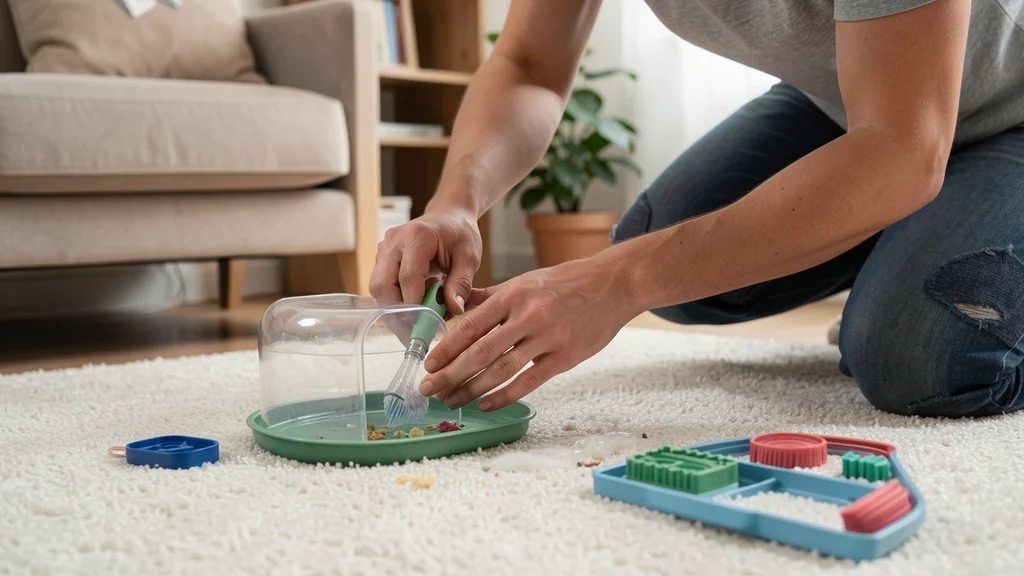
Few things frustrate pet owners more than discovering another mess on the carpet, and how to prevent dog potty accidents in the house starts with consistency in training and routine. Whether you have a new puppy or an older dog with occasional slip-ups, the right approach can make all the difference. This guide covers proven strategies to keep your home clean while reinforcing good habits in your furry friend.
The fastest way to stop indoor accidents is a strict schedule for feeding, potty breaks, and positive reinforcement. Most dogs thrive on routine and will learn to signal when they need to go out within a few weeks.
Establish a Consistent Potty Schedule
Dogs are creatures of habit, and a predictable routine helps them understand when and where they should eliminate. Puppies typically need to go out every 1-2 hours, while adult dogs can hold it for 4-6 hours. The key is to take them out at the same times every day.
Start by observing your dog’s natural patterns. Most dogs need to go out first thing in the morning, after meals, after naps, and before bedtime. Use these natural cues to build your schedule.
Consistency reinforces their internal clock and reduces accidents.
Tip: Set phone reminders for potty breaks if you’re easily distracted. Missing a scheduled trip outside is one of the most common causes of accidents.
- First thing in the morning
- After every meal (15-30 minutes later)
- After naps or play sessions
- Before bedtime
- After being left alone for any period
- Before you leave the house
- After returning home
| Dog Age | Recommended Potty Frequency | Max Hold Time |
|---|---|---|
| 8-12 weeks | Every 1-2 hours | 1-2 hours |
| 12-16 weeks | Every 2-3 hours | 2-3 hours |
| 4-6 months | Every 3-4 hours | 3-4 hours |
| 6+ months | Every 4-6 hours | 4-6 hours |
| Adult dogs | Every 6-8 hours | 6-8 hours |
According to the American Kennel Club, puppies can typically hold their bladder for one hour per month of age, plus one additional hour. This means a 3-month-old puppy can hold it for about 4 hours maximum.
Choose the Right Potty Spot and Use a Cue Word
Designating a specific outdoor spot for your dog to eliminate helps create a strong mental association. Always take them to the same spot, as the scent will remind them of what to do. This is especially important for puppies who are still learning.
Introduce a consistent cue word or phrase like “go potty” or “do your business” every time you take them to their spot. Use the same phrase consistently and reward them immediately when they eliminate. This creates a clear connection between the command, the action, and the reward.
- Pick a quiet, accessible spot in your yard or a nearby area with minimal distractions.
- Use the same location every time to reinforce the habit through scent.
- Say your cue word as soon as you arrive at the spot, before they start eliminating.
- Wait patiently – give them 5-10 minutes to do their business.
- Reward immediately with praise and treats when they succeed.
Important: Never punish your dog for accidents. This can make them afraid to eliminate in front of you, even outdoors, and may cause them to hide when they need to go.
Supervise and Confine When Indoors
When you can’t actively supervise your dog, confinement is your best tool for preventing accidents. This doesn’t mean keeping them locked up all day—it means creating a safe space where they can’t wander off and have an accident unnoticed.
Use baby gates, exercise pens, or a properly sized crate to limit their access to the house. Dogs naturally avoid soiling their sleeping area, so a crate that’s just big enough for them to stand, turn around, and lie down can be effective. However, never leave them crated for longer than they can hold their bladder.
| Confinement Method | Best For | Max Time Alone |
|---|---|---|
| Crate training | Puppies and small dogs | Age-dependent (1-6 hrs) |
| Exercise pen | Medium to large dogs | 3-4 hours |
| Baby gates | Dogs with free-roam privileges | 2-3 hours |
| Playpen with pee pad | Puppies in apartments | 1-2 hours |
- Use a crate that’s just big enough for your dog to stand, turn around, and lie down comfortably
- Never use the crate as punishment
- Make the crate cozy with bedding and toys
- Gradually increase freedom as your dog earns trust
- If using pee pads, place them in a consistent location away from food and bedding
- Clean accidents immediately with an enzymatic cleaner to remove odors completely
- Never leave your dog confined for longer than they can physically hold their bladder
Use Positive Reinforcement Consistently
Positive reinforcement is the most effective way to teach your dog where and when to eliminate. Every time they go potty in the right place, reward them immediately with praise, treats, or both. This creates a strong positive association in their mind.
The timing of the reward is crucial—it must come within seconds of them finishing their business. If you wait too long, they won’t connect the reward with the action. Use high-value treats that they only get for potty success to make it extra special.
Tip: Keep a stash of small, soft treats in your pocket or near the door for quick access during potty breaks. The faster you reward, the stronger the connection.
- Immediate praise – Use an excited, happy voice as soon as they start eliminating
- Treat delivery – Give the treat as they’re finishing or immediately after
- Physical affection – Petting and belly rubs reinforce the positive behavior
- Consistent reward – Always reward successful outdoor potty trips, especially during training
- Phase out treats – Once the habit is established, you can reduce treats but keep the praise
- Use high-value treats like small pieces of chicken, cheese, or commercial training treats
- Keep treats small (pea-sized) so they don’t fill up your dog
- Pair verbal praise with treats for maximum effect
- Avoid punishing accidents—this can create fear and confusion
- If you catch them in the act indoors, interrupt with a loud noise and quickly take them outside
- Clean accidents thoroughly to prevent repeat offenses in the same spot
Watch for Signs Your Dog Needs to Go
Dogs often give clear signals when they need to eliminate, but many owners miss these subtle cues. Learning to recognize these signs can help you prevent accidents by taking your dog out at the right time.
Common signs include restlessness, circling, sniffing the ground, whining, or suddenly leaving the room. Some dogs may pace or seem anxious. Puppies especially may suddenly start sniffing or circling in one spot.
| Sign | What It Means | What to Do |
|---|---|---|
| Restlessness | Can’t get comfortable | Take outside immediately |
| Circling | Looking for a spot | Intervene and redirect outside |
| Sniffing the ground | Searching for a place to go | Quickly take to potty area |
| Whining or barking | Trying to communicate need | Respond immediately |
| Suddenly leaving the room | Seeking privacy | Follow and redirect outside |
| Pacing | Urgent need to go | Take out right away |
Warning: If your dog shows these signs but doesn’t eliminate outside, they may have a medical issue like a urinary tract infection. Consult your vet if this happens repeatedly.
According to Veterinary Centers of America, about 20% of dogs will develop a urinary tract infection at some point in their lives, which can cause increased urgency and accidents.
Teach Your Dog to Signal When They Need to Go Out
Training your dog to signal when they need to go outside can be a game-changer for preventing accidents. One of the most effective methods is teaching them to ring a bell hung by the door.
Start by hanging a bell at your dog’s nose level on the door you use for potty breaks. Every time you take them out, gently tap their paw against the bell before opening the door. Say your cue word (“go potty”) as you do this.
With repetition, they’ll learn to ring the bell themselves when they need to go out.
- Hang the bell at your dog’s nose level on the exit door
- Introduce the bell by tapping their paw against it before every potty trip
- Pair with cue word like “go potty” or “outside”
- Reward immediately when they ring the bell themselves
- Open the door every time they ring the bell, even if it’s not a potty need at first
- Use a bell with a distinct sound that’s easy for your dog to ring
- Keep the bell in the same location consistently
- Praise and reward every time they ring it, even if it’s not for potty at first
- Be patient—some dogs learn this in days, others take weeks
- Once they understand, they’ll ring the bell specifically when they need to eliminate
- Alternative signaling methods include scratching at the door or bringing you their leash
Clean Accidents Properly to Prevent Repeat Offenses
When accidents happen—and they will, especially during training—how you clean them up makes a big difference in preventing future incidents. Dogs have an incredible sense of smell, and if they can still detect the odor of urine or feces, they’re likely to return to the same spot.
Regular household cleaners often aren’t enough to eliminate these odors completely. Instead, use an enzymatic cleaner specifically designed for pet messes. These cleaners break down the proteins in urine and feces that cause lingering odors.
| Cleaner Type | Effectiveness | Best For |
|---|---|---|
| Enzymatic cleaners | ★★★★★ | Urine, feces, vomit |
| Baking soda & vinegar | ★★★☆☆ | Fresh urine only |
| Hydrogen peroxide | ★★★☆☆ | Stains on light surfaces |
| Steam cleaner | ★★★★☆ | Deep-set odors in carpets |
| Regular household cleaners | ★☆☆☆☆ | Not recommended |
- Blot up as much of the mess as possible with paper towels first
- Apply enzymatic cleaner according to package directions
- Let it sit for the recommended time (usually 10-15 minutes)
- Blot again, don’t rub, as this can push the liquid deeper into the fibers
- For carpets, you may need to repeat the process for stubborn odors
- Avoid ammonia-based cleaners, as they smell similar to urine to dogs
- For hard floors, enzymatic cleaners work well but may need a follow-up with regular cleaner
Important: Never use steam cleaners on urine without first applying an enzymatic cleaner. The heat can set the odor permanently.
Address Medical Issues That Can Cause Accidents
Sometimes, frequent accidents aren’t a training issue but a medical one. If your previously house-trained dog starts having accidents, or if your puppy isn’t making progress despite consistent training, a health problem could be to blame.
Common medical issues that can cause potty accidents include urinary tract infections, bladder stones, kidney disease, diabetes, and cognitive dysfunction in older dogs. Pain or discomfort can also make it difficult for dogs to hold their bladder or signal their need to go out.
- Urinary Tract Infections (UTIs) – Cause frequent, urgent need to urinate, sometimes with blood
- Bladder Stones – Can cause straining, frequent small amounts of urine, or blood
- Kidney Disease – Often leads to increased thirst and urination
- Diabetes – Causes excessive thirst and urination
- Cognitive Dysfunction – In older dogs, can cause confusion and loss of house training
- Arthritis or Pain – May make it difficult to get to the door or assume the right position
- Gastrointestinal Issues – Can cause diarrhea or inability to control bowels
Warning: If your dog shows any of these symptoms, consult your veterinarian immediately. Many conditions are treatable but can worsen without intervention.
According to the American Veterinary Medical Association, about 1 in 7 dogs will develop a urinary tract infection at some point, and older dogs are particularly susceptible to various health issues that can affect their house training.
Other signs that warrant a vet visit include:
- Straining to urinate or defecate
- Blood in urine or stool
- Frequent small amounts of urine
- Loss of appetite or lethargy
- Sudden change in water consumption
- Accidents combined with other behavioral changes
Common Mistakes to Avoid
Even with the best intentions, many dog owners make mistakes that can prolong the potty training process or cause setbacks. Being aware of these common pitfalls can help you avoid them and make training more effective.
One of the biggest mistakes is punishing your dog for accidents. This can make them afraid of you and may cause them to hide when they need to go, making accidents harder to catch and correct. Instead, focus on preventing accidents through supervision and consistent scheduling.
| Mistake | Why It’s a Problem | What to Do Instead |
|---|---|---|
| Punishing for accidents | Creates fear and confusion | Clean up calmly and focus on prevention |
| Inconsistent schedule | Confuses your dog’s internal clock | Stick to a predictable routine |
| Using ammonia cleaners | Smells like urine to dogs | Use enzymatic cleaners |
| Giving too much freedom too soon | Increases chance of unsupervised accidents | Gradually increase freedom as trust builds |
| Not rewarding enough | Misses opportunities to reinforce good behavior | Reward every successful outdoor potty trip |
- Avoid scolding or rubbing your dog’s nose in accidents—this is outdated and ineffective
- Don’t expect puppies to hold their bladder for long periods—follow age-appropriate guidelines
- Don’t use pee pads and expect your dog to transition to outdoor-only without training
- Don’t ignore your dog’s signals or assume they’ll tell you when they need to go out
- Don’t give up too soon—potty training can take weeks or even months for some dogs
- Don’t skip the reward, even for “easy” potty trips
- Don’t change your routine frequently—consistency is key
Frequently Asked Questions
How long does it take to potty train a dog?
Potty training typically takes 4-6 months for most dogs, but it can vary widely depending on the dog’s age, breed, and consistency of training. Puppies usually take longer, while adult dogs with previous training may learn faster. Some dogs may be fully trained in a few weeks, while others take up to a year.
Why does my dog keep having accidents in the same spot?
Dogs return to the same spot because they can still smell the previous accident. Regular cleaners often don’t eliminate the odor completely. Use an enzymatic cleaner specifically designed for pet messes to break down the proteins that cause lingering odors.
You may also need to block access to that area temporarily.
Should I use pee pads for potty training?
Pee pads can be useful for puppies, small dogs, or those living in apartments, but they can also create confusion if your goal is outdoor-only elimination. If you use pee pads, place them in a consistent location and gradually move them closer to the door to encourage outdoor potty habits.
How do I know if my dog’s accidents are due to a medical issue?
If your previously house-trained dog starts having accidents, or if you notice other symptoms like increased thirst, straining to urinate, blood in urine, or lethargy, it could indicate a medical problem. Other signs include frequent small amounts of urine, accidents combined with behavioral changes, or difficulty controlling bowels.
What’s the best way to handle accidents when they happen?
If you catch your dog in the act, interrupt them with a loud noise (like clapping) and quickly take them outside to their potty spot. If they finish there, reward them. If you find an accident after the fact, simply clean it up with an enzymatic cleaner.
Never punish your dog for accidents, as this can create fear and confusion.
Final Thoughts
Preventing dog potty accidents in the house requires patience, consistency, and a good understanding of your dog’s needs. Establish a regular schedule, use positive reinforcement, watch for signals, and clean accidents properly to break the cycle. Remember that every dog is different, and progress may take time.
Stay consistent with your approach, and don’t get discouraged by setbacks. With the right strategies, your dog will learn where and when to eliminate, making your home cleaner and your life with your furry friend more enjoyable.