
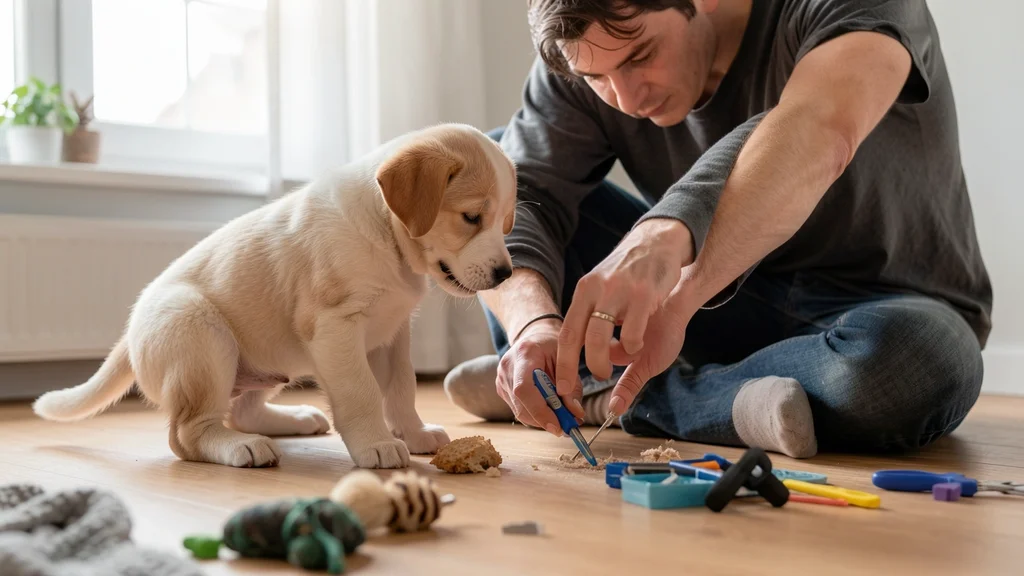
Bringing home an unvaccinated puppy means keeping them safe from diseases until their shots are complete. How to play with an unvaccinated puppy indoors involves creating a fun, safe environment without exposure to outdoor germs. You can still engage them in stimulating activities that support their growth and happiness.
You can safely play with an unvaccinated puppy indoors by focusing on mental stimulation, gentle physical activity, and controlled socialization. Avoid outdoor areas and unvaccinated dogs until their immunity builds.
What You Need for Safe Indoor Play
Before starting, gather the right supplies to keep your puppy engaged and safe. A clean, designated play area prevents the spread of germs. Puppies explore with their mouths, so ensure everything is non-toxic and durable.
Soft toys, chew bones, and puzzle feeders encourage mental stimulation. Avoid small objects that could be swallowed. A playpen or gated area helps contain the fun while keeping your puppy out of trouble.
- Soft toys for gentle play
- Chew bones for teething relief
- Puzzle feeders to challenge their mind
- Playpen or gates to limit access
- Non-toxic materials for safety
Tip: Rotate toys weekly to keep your puppy interested and prevent boredom.
Step by Step Indoor Play Activities
Start with short, supervised play sessions to avoid overstimulation. Puppies tire quickly, so keep activities light and fun. Focus on bonding and building trust through gentle interactions.
- Tug-of-War with a Rope Toy
Use a soft rope toy and encourage your puppy to pull gently. This builds strength and teaches bite inhibition. Always let them win sometimes to keep it fun.
- Hide and Seek with Treats
Hide small treats around the room and let your puppy sniff them out. This engages their natural foraging instincts and provides mental exercise.
- Puzzle Toys for Mental Stimulation
Fill a puzzle feeder with kibble or treats. Your puppy will learn to roll, nudge, or paw at it to release the food, keeping them occupied for longer.
- Gentle Fetch with Soft Toys
Use a plush toy or ball in a hallway or open space. Short throws prevent overexertion while still letting them run and retrieve.
- Basic Obedience Training
Teach simple commands like “sit,” “stay,” or “come” using positive reinforcement. Training sessions should be short, fun, and rewarding.
Creating a Safe Play Environment
A clean, hazard-free space is essential for indoor play. Puppies are curious and will chew on anything they find. Remove small objects, electrical cords, and toxic plants from their reach.
| Hazard | Solution |
|---|---|
| Electrical cords | Use cord covers or keep them out of reach |
| Small objects | Pick up and store safely |
| Toxic plants | Remove or place out of reach |
| Sharp edges | Use baby gates or barriers |
According to the American Kennel Club, puppies need a balance of physical and mental stimulation to develop properly. A safe environment ensures they can explore without risk.
Socialization Without Risk
Socialization is critical for puppies, but it must be done safely. Invite vaccinated, friendly dogs to your home for controlled playdates. This helps your puppy learn social cues without exposure to diseases.
Introduce them to different people, sounds, and experiences within your home. Play recordings of common noises like traffic or doorbells to prepare them for the outside world.
- Invite vaccinated dogs for playdates
- Introduce new people gradually
- Expose to sounds like vacuum cleaners or doorbells
- Handle paws, ears, and mouth to prepare for vet visits
- Use positive reinforcement for good behavior
Important: Avoid dog parks, pet stores, or any area where unvaccinated dogs may have been until your puppy’s shots are complete.
Mental Stimulation Games
Puppies need mental exercise as much as physical play. Interactive games prevent boredom and destructive behavior. Rotate activities to keep them engaged and learning.
| Game | Benefits |
|---|---|
| Snuffle Mat | Encourages natural foraging behavior |
| Treat Dispenser | Provides mental challenge and slows eating |
| Puzzle Ball | Stimulates problem-solving skills |
| Hide and Seek | Builds confidence and recall skills |
According to a study by the University of Bristol, puppies that engage in mental stimulation games show improved cognitive development and reduced anxiety.
Common Mistakes to Avoid
Even with good intentions, some common mistakes can put your puppy at risk. Overstimulation, lack of supervision, and unsafe toys are frequent issues. Recognizing these pitfalls helps you provide a safer experience.
- Overstimulating your puppy with too much play at once. Puppies need rest between activities.
- Leaving them unsupervised with toys or in a new environment. Always keep an eye on them.
- Using unsafe toys that can break apart or be swallowed. Stick to puppy-safe options.
- Ignoring signs of fatigue like yawning, slowing down, or disinterest. Let them nap when needed.
- Skipping socialization altogether. Even indoors, they need exposure to new experiences.
Warning: Never use children’s toys or household items as puppy toys. They may contain small parts or toxic materials.
Best Toys for Unvaccinated Puppies
Choosing the right toys ensures your puppy stays engaged and safe. Soft, durable options are ideal for teething and gentle play. Avoid hard toys that could damage their developing teeth.
- Plush Toys with Squeakers
Soft plush toys with squeakers satisfy their prey drive and chewing instincts. Ensure they’re machine-washable for easy cleaning.
- Kong Classic
A rubber Kong can be filled with treats or peanut butter to keep your puppy busy. It’s durable and helps with teething.
- Rope Toys
Great for tug-of-war and chewing. Opt for cotton ropes without loose threads that could be swallowed.
- Teething Rings
Specifically designed for sore gums. Look for ones that can be chilled in the fridge for extra relief.
- Interactive Puzzle Toys
These challenge their mind and slow down fast eaters. Choose ones appropriate for their size and age.
| Toy Type | Best For | Avoid If |
|---|---|---|
| Plush Toys | Comfort, gentle play | Puppy is a heavy chewer |
| Kong Classic | Mental stimulation, teething | Puppy has very sharp teeth |
| Rope Toys | Tug-of-war, chewing | Puppy swallows strings |
The American Pet Products Association reports that interactive toys can reduce destructive behavior by up to 40% in puppies.
Frequently Asked Questions
Can I take my unvaccinated puppy outside?
No, avoid outdoor areas where other dogs may have been until your puppy’s vaccinations are complete. Stick to indoor play or a private, sanitized outdoor space like a fenced backyard.
How often should I play with my unvaccinated puppy?
Aim for 3-4 short play sessions daily, each lasting 10-15 minutes. Puppies have short attention spans and need plenty of rest between activities.
What if my puppy seems bored with their toys?
Rotate toys every few days to keep them fresh and exciting. Introduce new games or challenges, like hide-and-seek with treats, to maintain their interest.
Are there any indoor activities I should avoid?
Avoid rough play that could injure your puppy, such as wrestling or jumping from heights. Also, steer clear of toys with small parts or anything that could be swallowed.
How do I know if my puppy is getting enough stimulation?
A well-stimulated puppy will be calm, sleep well, and not exhibit destructive behaviors like chewing furniture. If they seem restless or anxious, they may need more mental or physical activity.
Final Thoughts
Playing with an unvaccinated puppy indoors requires creativity and caution, but it’s entirely possible to keep them happy and healthy. Focus on mental stimulation, safe toys, and controlled socialization to build their confidence. How to play with an unvaccinated puppy indoors is all about balancing fun with safety until they’re ready to explore the world.