
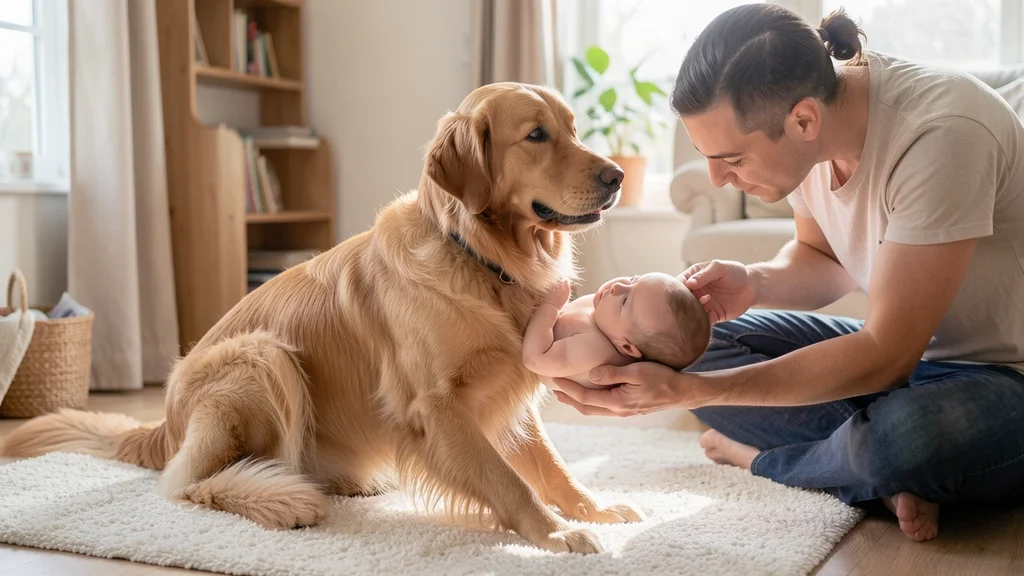
Bringing home a new baby is exciting, but it can also be stressful for your furry friend. Dog training for a new baby in the house ensures a smooth transition by preparing your pet for the changes ahead. This guide covers practical steps to help your dog adjust safely and happily.
Start training your dog at least 2-3 months before the baby arrives. Focus on obedience, desensitization to baby sounds, and positive reinforcement. This builds confidence and reduces anxiety for both your pet and your newborn.
Why Prepare Your Dog for a New Baby
Dogs thrive on routine, and a new baby disrupts their world. Without preparation, your pet may feel jealous, anxious, or even defensive. Training helps them associate the baby with positive experiences.
According to the American Kennel Club, 60% of dog owners notice behavioral changes when a baby joins the family. Common issues include barking, jumping, or withdrawal. Proper training minimizes these risks.
- Reduces stress for both dog and baby
- Prevents accidents by teaching gentle behavior
- Strengthens your bond with your pet
- Creates a safer home environment
- Makes future interactions easier as the baby grows
Warning: Never leave your dog and baby unsupervised, even after training. Always monitor their interactions.
Step 1: Basic Obedience Training
Before introducing your dog to the baby, ensure they master essential commands. This establishes control and prevents unwanted behaviors during the transition.
Focus on these foundational commands first. Practice daily in different environments to reinforce reliability.
- Sit – Teaches impulse control
- Stay – Prevents jumping on the baby
- Leave it – Stops them from grabbing baby items
- Down – Encourages calm behavior
- Come – Ensures they respond when called
| Command | Purpose | Training Tip |
|---|---|---|
| Sit | Prevents jumping | Use treats at nose level, move up and back |
| Stay | Keeps dog in place | Start with short distances, gradually increase |
| Leave it | Prevents mouthing | Place treat in hand, say command when they pull away |
Consistency is key. Practice each command for 5-10 minutes daily, gradually increasing distractions as your dog improves.
Step 2: Desensitization to Baby Sounds and Smells
Babies introduce new sounds, smells, and movements that can startle dogs. Gradual exposure helps your pet adjust without fear or aggression.
Start by playing baby sounds at low volume while rewarding calm behavior. The Humane Society recommends this approach to prevent anxiety triggers.
- Baby cries – Play recordings at increasing volume
- Baby powder/scent – Rub on your hands before petting your dog
- Stroller sounds – Push an empty stroller around the house
- Baby toys – Let your dog sniff and investigate
- Sudden movements – Practice with dolls or stuffed animals
Tip: Pair each new experience with treats or praise. This creates positive associations with baby-related stimuli.
Gradually increase the intensity as your dog shows comfort. If they become stressed, take a step back and slow down the process.
Establishing Safe Boundaries
Your dog needs clear rules about where they can and can’t go when the baby arrives. This prevents accidents and ensures your pet doesn’t feel excluded.
Create designated spaces using baby gates or playpens. The Centers for Disease Control and Prevention (CDC) reports that 4.5 million dog bites occur annually in the US, many preventable with proper boundaries.
| Area | Dog Access | Safety Measure |
|---|---|---|
| Nursery | Supervised only | Baby gate with door |
| Changing table | Never | Closed door or barrier |
| Living room | Allowed | Leash or place command |
Teach your dog the “place” command to keep them in a designated spot when needed. Use positive reinforcement to reward them for staying in their area.
Introducing Your Dog to the Baby
The first introduction between your dog and baby should be carefully controlled. Choose a neutral location where your dog feels comfortable but isn’t overly excited.
Follow these steps for a safe first meeting:
- Prepare your dog – Take them for a long walk to burn off energy
- Use a leash – Maintain control during the introduction
- Start at a distance – Let your dog observe the baby from across the room
- Reward calm behavior – Give treats for gentle, quiet responses
- Gradually decrease distance – Allow your dog to sniff the baby’s feet while supervised
- Keep sessions short – 5-10 minutes maximum for the first few meetings
Important: Watch your dog’s body language. Signs of stress include lip licking, yawning, or turning away. If you see these, end the session and try again later.
Never force the interaction. Let your dog set the pace while you maintain control. Over time, they’ll learn that the baby is a positive addition to the family.
Managing Dog Jealousy
Dogs can feel jealous when they’re no longer the center of attention. This can lead to attention-seeking behaviors or even aggression toward the baby.
The Animal Behavior Society notes that 30% of dogs show signs of jealousy when a new baby arrives. Addressing this early prevents long-term issues.
- Maintain routines – Keep feeding, walking, and playtime consistent
- Give individual attention – Spend 10-15 minutes daily with just your dog
- Include your dog – Let them be near you and the baby during calm activities
- Avoid punishment – This can increase resentment toward the baby
- Reward good behavior – Praise your dog when they’re gentle around the baby
Signs of jealousy include:
- Pushing between you and the baby
- Excessive barking or whining
- Ignoring commands they previously knew
- Attempting to steal baby items
Teaching Gentle Behavior Around Babies
Dogs need to learn how to interact safely with babies. Their natural instincts might not align with the gentle touch required around infants.
Teach these gentle behaviors through positive reinforcement:
| Behavior | Training Method | Reward |
|---|---|---|
| Soft mouth | Place hand in mouth, say “gentle” if too hard | Treat and praise |
| No jumping | Ignore jumping, reward when all paws on floor | Treat and praise |
| Calm approach | Reward slow, controlled movements near baby | Treat and praise |
Practice these behaviors with dolls or stuffed animals before introducing your real baby. This helps your dog understand what’s expected.
Common Mistakes to Avoid
Even well-meaning pet owners make mistakes when preparing their dog for a new baby. These errors can set back your training or create safety risks.
Avoid these common pitfalls:
- Waiting until the last minute – Start training at least 2-3 months before the baby arrives
- Punishing curiosity – Let your dog sniff baby items (supervised) to satisfy their curiosity
- Forcing interactions – Never hold your dog down to meet the baby
- Ignoring stress signals – Watch for signs of anxiety or aggression
- Inconsistent rules – If the nursery is off-limits, enforce this always
- Neglecting exercise – A tired dog is a well-behaved dog
Warning: Never use the baby as a training tool. For example, don’t place the baby on your dog to “get them used to it.” This can be dangerous for both.
Instead, focus on positive reinforcement and gradual exposure. Consistency and patience are key to successful training.
Frequently Asked Questions
How long does it take to train a dog for a new baby?
Most dogs need 2-3 months of consistent training before the baby arrives. However, some may require more time depending on their temperament and previous training. Start early and be patient with the process.
What if my dog shows aggression toward the baby?
If your dog shows any signs of aggression, consult a professional dog trainer or behaviorist immediately. Do not attempt to handle aggressive behavior on your own, as this can be dangerous for both your dog and baby.
Can I use baby dolls for training?
Yes, baby dolls are excellent for training. Use them to practice commands like “gentle” and “leave it.” You can also carry the doll around to help your dog adjust to the idea of you holding a baby.
Should I let my dog lick the baby?
It’s best to discourage licking. While it might seem affectionate, a dog’s mouth contains bacteria that could harm a newborn’s developing immune system. Redirect this behavior with a chew toy or treat.
How do I know if my dog is ready for the baby?
Your dog is ready when they can remain calm around baby sounds, smells, and items. They should follow basic commands reliably and show no signs of stress or aggression during training sessions. When in doubt, consult a professional.
Final Thoughts
Dog training for a new baby in the house creates a safer, happier home for everyone. Start early, be consistent, and always prioritize safety. With patience and positive reinforcement, your dog can become a wonderful companion for your growing family.