
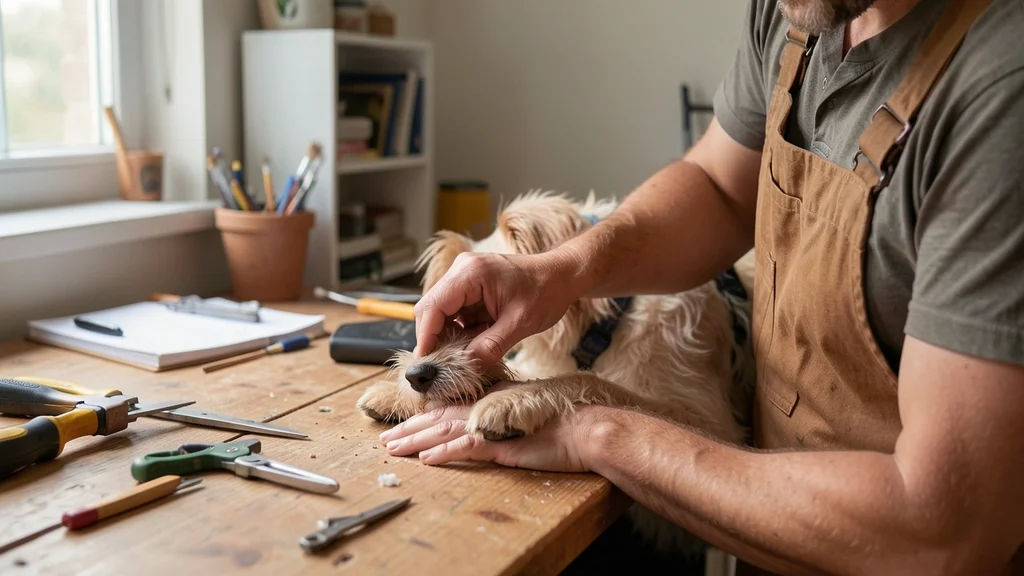
Dogs communicate their emotional needs in subtle ways, and recognizing the signs early can prevent behavioral issues. If your furry friend seems unusually clingy, destructive, or withdrawn, how to tell if your dog needs more attention starts with observing these changes. This guide will help you identify the key indicators and take actionable steps to ensure your pup feels loved and secure.
Watch for sudden changes in behavior like excessive barking, chewing furniture, or avoidance. These are clear signals your dog may need more engagement and mental stimulation.
Signs Your Dog Is Craving More Interaction
Dogs thrive on companionship, and neglecting their emotional needs can lead to stress or anxiety. Here are the most common red flags that your dog is seeking more attention.
Some breeds, like Border Collies or Labrador Retrievers, require more interaction than others. If your dog is usually energetic but suddenly seems lethargic, it might be a sign of emotional withdrawal. Similarly, excessive licking or chewing on themselves can indicate stress or boredom.
- Increased Destructive Behavior: Chewing on furniture, shoes, or household items often signals boredom or a cry for attention.
- Excessive Barking or Whining: If your dog barks more than usual, especially when you’re not home, they may be trying to communicate their loneliness.
- Clinginess or Neediness: Following you everywhere, even to the bathroom, can be a sign they’re seeking reassurance.
- Loss of Appetite: A sudden disinterest in food might indicate emotional distress rather than a physical issue.
- Avoidance or Hiding: If your dog retreats to a corner or under furniture, they might feel neglected or anxious.
- Excessive Licking or Scratching: This can be a self-soothing behavior when they’re stressed or lonely.
- Changes in Sleep Patterns: Sleeping too much or too little can both be signs of emotional imbalance.
Tip: Pay attention to subtle changes. Dogs often show early signs of needing more attention through small behavioral shifts before they escalate.
Behavioral Changes That Demand Immediate Action
Not all signs are subtle—some behavioral changes are loud and clear. If your dog starts digging holes in the yard, jumping on people excessively, or showing aggression toward other pets, these are urgent signals. According to the American Kennel Club, dogs left alone for long periods without mental stimulation are more likely to develop destructive habits.
Separation anxiety is another major concern. If your dog panics when you leave or greets you with extreme excitement every time you return, they may be struggling with being alone. This condition affects about 14% of dogs, as reported by a study in the Journal of Veterinary Behavior.
| Behavior | Possible Meaning | What to Do |
|---|---|---|
| Digging in the yard | Boredom or excess energy | Increase playtime and provide toys |
| Jumping on people | Seeking attention or excitement | Train with positive reinforcement |
| Aggression toward other pets | Stress or jealousy | Socialize more and monitor interactions |
| Panic when left alone | Separation anxiety | Gradual desensitization and crates |
| Excessive greetings | Relief from loneliness | Spend quality time together daily |
If these behaviors persist, consider consulting a professional dog trainer or a veterinarian to rule out underlying health issues.
Physical Signs Your Dog Needs More Engagement
Physical symptoms can also indicate emotional needs. For instance, a dog that suddenly sheds more than usual or develops skin issues might be stressed. According to PetMD, stress-induced alopecia (hair loss) is a real condition in dogs that often stems from anxiety or lack of stimulation.
Another physical sign is weight gain or loss. Dogs that eat out of boredom may gain weight, while those too stressed to eat may lose weight. Both scenarios warrant a closer look at their emotional well-being.
Additionally, changes in bathroom habits, such as accidents in the house, can signal anxiety or a need for more attention.
- Excessive Shedding: Stress can trigger increased shedding, even outside of seasonal changes.
- Skin Irritations: Licking or scratching more than usual can lead to hot spots or infections.
- Weight Fluctuations: Sudden weight gain or loss without dietary changes can indicate emotional distress.
- House Accidents: A previously house-trained dog having accidents may be anxious or seeking attention.
- Lethargy: A lack of energy or enthusiasm for walks or playtime can signal emotional withdrawal.
- Panting Without Exercise: Heavy panting when not hot or active can be a sign of stress.
Warning: If physical symptoms like vomiting, diarrhea, or extreme lethargy appear, consult a vet immediately. These could indicate serious health issues beyond emotional needs.
How to Provide the Right Kind of Attention
Not all attention is equal. Dogs need a mix of physical activity, mental stimulation, and emotional bonding to feel fulfilled. The key is to tailor your approach to your dog’s breed, age, and personality.
For example, a high-energy breed like a Siberian Husky may need two hours of exercise daily, while a senior Chihuahua might prefer short, gentle walks and cuddle time.
Mental stimulation is just as important as physical activity. Puzzle toys, training sessions, and interactive games can keep your dog’s mind sharp and reduce boredom. According to the Association of Professional Dog Trainers, dogs that engage in regular mental exercises are less likely to develop behavioral problems.
- Daily Exercise: Aim for at least 30-60 minutes of physical activity, such as walks, runs, or fetch, depending on your dog’s breed and health.
- Interactive Play: Use toys that require your dog to think, like treat-dispensing puzzles or hide-and-seek games.
- Training Sessions: Short, positive reinforcement training sessions can strengthen your bond and provide mental challenge.
- Socialization: Regular playdates with other dogs or visits to the dog park can fulfill their social needs.
- Quality Time: Spend dedicated time petting, grooming, or simply sitting with your dog to reinforce your bond.
- Routine and Structure: Dogs thrive on consistency. Stick to a daily schedule for meals, walks, and playtime.
| Activity Type | Benefits | Frequency |
|---|---|---|
| Walks | Physical exercise, mental stimulation | Daily, 30-60 minutes |
| Puzzle Toys | Mental challenge, reduces boredom | Daily, 10-15 minutes |
| Training | Bonding, mental stimulation | 2-3 times per week, 10-15 minutes |
| Playdates | Socialization, physical activity | Weekly or bi-weekly |
| Grooming | Bonding, physical health | Weekly brushing, monthly baths |
Common Mistakes to Avoid When Giving Attention
While it’s important to give your dog attention, it’s equally crucial to do it the right way. Many pet owners unknowingly reinforce negative behaviors by giving attention at the wrong times. For example, if your dog barks for attention and you respond by petting or talking to them, you’re teaching them that barking gets results.
Another common mistake is overstimulating your dog. Too much attention or activity can lead to hyperactivity or anxiety. Balance is key.
Additionally, avoid punishing your dog for seeking attention, as this can create fear or aggression. Instead, redirect their behavior to something positive.
- Rewarding Negative Behavior: Ignore attention-seeking behaviors like barking or jumping. Reward calm, positive behavior instead.
- Inconsistent Attention: Avoid giving attention sporadically. Stick to a routine so your dog knows what to expect.
- Overstimulation: Too much play or excitement can overwhelm your dog. Know their limits and provide downtime.
- Neglecting Mental Needs: Physical attention isn’t enough. Engage their mind with training, puzzles, or new experiences.
- Ignoring Signs of Stress: If your dog shows signs of anxiety, like lip licking or yawning, give them space instead of forcing interaction.
Important: Positive reinforcement is the best way to encourage good behavior. Reward your dog with treats, praise, or playtime when they exhibit the behaviors you want to see.
Breed-Specific Attention Needs
Different breeds have different emotional and physical needs. Understanding your dog’s breed can help you provide the right kind of attention. For instance, working breeds like Border Collies or Australian Shepherds need plenty of mental and physical stimulation to stay happy.
On the other hand, companion breeds like Cavalier King Charles Spaniels thrive on cuddles and quality time with their owners.
According to the American Veterinary Medical Association, breed-specific traits can greatly influence a dog’s need for attention. For example, herding breeds may become destructive if they don’t have a job to do, while toy breeds may develop separation anxiety if left alone too often.
| Breed Type | Attention Needs | Recommended Activities |
|---|---|---|
| Working Breeds (e.g., Border Collie) | High mental and physical stimulation | Agility training, puzzle toys, long walks |
| Companion Breeds (e.g., Cavalier King Charles Spaniel) | High emotional bonding | Cuddle time, short walks, interactive play |
| Hunting Breeds (e.g., Labrador Retriever) | High physical activity | Fetch, swimming, hiking |
| Toy Breeds (e.g., Chihuahua) | Moderate emotional and physical needs | Short walks, lap time, gentle play |
| Guard Breeds (e.g., German Shepherd) | High mental and physical stimulation | Obedience training, protection work, long walks |
When to Seek Professional Help
If your dog’s behavioral changes are severe or persistent, it may be time to seek professional help. A certified dog trainer or a veterinary behaviorist can provide tailored advice and strategies to address your dog’s specific needs. In some cases, underlying health issues may be contributing to the behavior, so a visit to the vet is always a good first step.
According to the American Society for the Prevention of Cruelty to Animals (ASPCA), signs that warrant professional intervention include extreme aggression, severe separation anxiety, or self-harm. Early intervention can prevent these issues from worsening and improve your dog’s quality of life.
- Extreme Aggression: If your dog shows aggression toward people or other animals, consult a professional immediately.
- Severe Separation Anxiety: If your dog panics when left alone, causing destruction or self-injury, seek help.
- Self-Harm: Excessive licking, biting, or scratching that leads to injuries requires professional attention.
- Prolonged Behavioral Changes: If your dog’s behavior doesn’t improve despite your efforts, a professional can offer additional strategies.
- Health Concerns: If you suspect your dog’s behavior is due to pain or illness, visit a vet for a thorough examination.
Warning: Never punish your dog for behavioral issues. Punishment can worsen anxiety and aggression. Always use positive reinforcement and seek professional guidance.
Frequently Asked Questions
How much attention does a dog need daily?
Most dogs need at least 1-2 hours of dedicated attention daily, including exercise, playtime, and bonding. However, this varies by breed, age, and health. High-energy breeds may require more, while senior dogs may need less but still benefit from regular interaction.
Can dogs get depressed from lack of attention?
Yes, dogs can experience depression-like symptoms if they feel neglected or isolated. Signs include lethargy, loss of appetite, and withdrawal. Providing consistent attention and mental stimulation can help prevent this.
What are the first signs my dog needs more attention?
Early signs include subtle changes like increased clinginess, minor destructive behavior, or reduced enthusiasm for activities they usually enjoy. Addressing these signs early can prevent more serious behavioral issues.
Is it possible to give a dog too much attention?
Yes, overstimulation can lead to anxiety or hyperactivity. Balance attention with downtime, and ensure your dog has opportunities to rest and relax. A consistent routine helps manage their emotional needs.
How can I tell if my dog is bored or just tired?
Bored dogs often exhibit destructive behaviors, excessive barking, or restlessness, while tired dogs may simply sleep more. If your dog is destructive when you’re home, they’re likely bored. If they’re sleeping more but still engaged when awake, they may just need rest.
Final Thoughts
Recognizing how to tell if your dog needs more attention is the first step toward ensuring their emotional and physical well-being. By observing behavioral and physical changes, providing the right kind of engagement, and avoiding common mistakes, you can strengthen your bond and prevent issues like anxiety or depression. Remember, every dog is unique, so tailor your approach to their specific needs and personality.