
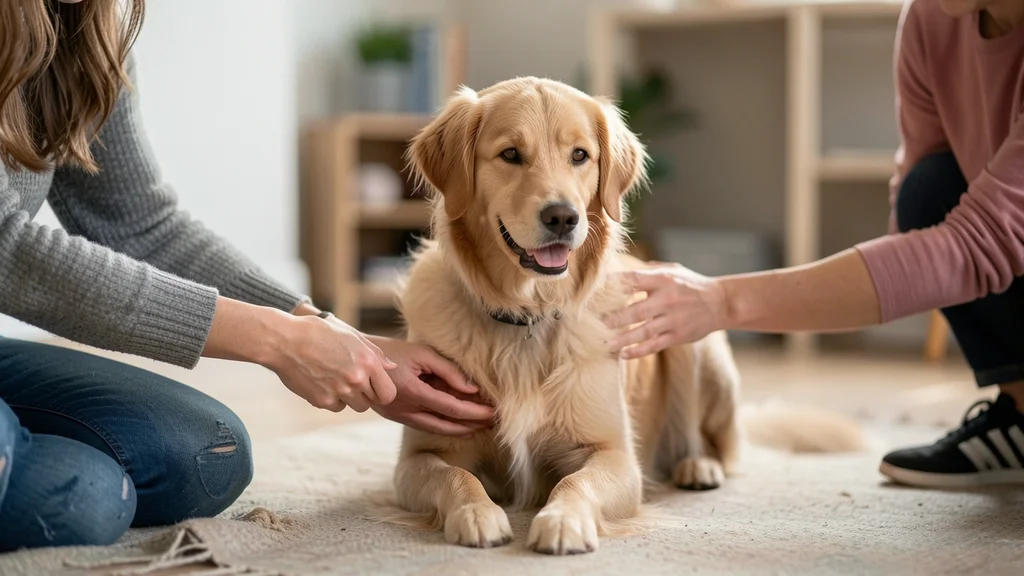
Dogs thrive on companionship, but the right amount of attention depends on their breed, age, and personality. How much attention should you give a dog daily is a common concern for pet owners balancing work, family, and their pup’s needs. Some dogs are content with short play sessions, while others require constant interaction to stay happy and well-behaved.
Understanding your dog’s unique needs helps prevent boredom, anxiety, or destructive behavior.
Most dogs need 2-4 hours of dedicated attention daily, split between playtime, training, and cuddles. High-energy breeds may require more, while independent dogs can thrive with less.
How Age Affects Your Dog’s Attention Needs
Puppies demand the most attention due to their curiosity, energy, and need for socialization. A young dog typically needs 3-5 hours of interaction daily, including training, play, and short walks. Without enough stimulation, puppies may develop separation anxiety or chew furniture out of boredom.
Older dogs, on the other hand, often prefer shorter but more frequent interactions. Senior dogs may only need 1-2 hours of attention, focusing on gentle walks, light play, and quiet companionship. Their energy levels decline, but they still crave affection and mental engagement.
Adult dogs fall somewhere in between, usually requiring 2-3 hours of attention. This includes walks, training sessions, and bonding time. The key is consistency—dogs thrive on routine, so spreading attention throughout the day works best.
- Puppies (0-1 year): 3-5 hours daily
- Adult dogs (1-7 years): 2-3 hours daily
- Senior dogs (7+ years): 1-2 hours daily
Tip: If your dog follows you around constantly or whines when left alone, they likely need more interaction. Adjust their routine gradually.
Breed-Specific Attention Requirements
Not all dogs have the same needs. Working breeds like Border Collies, Australian Shepherds, and German Shepherds require intense mental and physical stimulation. These dogs often need 4+ hours of attention daily, including long walks, agility training, or puzzle toys.
On the other end, low-energy breeds like Bulldogs, Basset Hounds, and Shih Tzus are happier with 1-2 hours of gentle activity. They enjoy short walks and plenty of naps but still need companionship to prevent loneliness.
Hunting breeds, such as Beagles and Labrador Retrievers, fall in the middle. They need 2-3 hours of exercise and play but can adapt to different routines. Without enough attention, they may become restless or bark excessively.
| Breed Type | Daily Attention Needed | Best Activities |
|---|---|---|
| Working Breeds (Border Collie, Australian Shepherd) | 4+ hours | Agility training, long walks, puzzle toys |
| Hunting Breeds (Beagle, Labrador) | 2-3 hours | Fetch, scent games, moderate walks |
| Low-Energy Breeds (Bulldog, Shih Tzu) | 1-2 hours | Short walks, cuddles, light play |
According to the American Kennel Club, breeds with high intelligence and energy levels are more prone to behavioral issues if left alone for long periods.
Signs Your Dog Needs More Attention
Dogs communicate their needs through behavior. If your dog is destroying furniture, barking excessively, or digging in the yard, they may be bored or anxious. These are clear signs they need more interaction or mental stimulation.
Other red flags include:
- Excessive licking or chewing: Often a sign of stress or boredom.
- Following you everywhere: Indicates separation anxiety.
- Loss of appetite: Can signal depression or loneliness.
- Pacing or restlessness: Shows they need more physical activity.
- Whining or howling: A cry for attention or companionship.
Warning: If your dog shows sudden behavioral changes, rule out medical issues first. A vet visit can confirm whether their needs are emotional or health-related.
If you notice these signs, increase playtime, introduce new toys, or consider doggy daycare. Even small changes, like an extra 10-minute walk, can make a big difference.
Quality vs Quantity in Dog Attention
It’s not just about the hours—it’s about the quality of time spent. A 30-minute training session with treats and praise is more valuable than hours of passive co-existence. Dogs thrive on engagement, whether it’s teaching new tricks, playing fetch, or simply cuddling while you watch TV.
Interactive play, such as tug-of-war or hide-and-seek, strengthens your bond and tires them out faster than solo activities. Mental stimulation, like puzzle feeders or scent games, can be just as exhausting as physical exercise.
Here’s how to maximize quality time:
- Be present: Put away distractions (phone, laptop) during playtime.
- Use positive reinforcement: Reward good behavior with treats or praise.
- Vary activities: Rotate between walks, training, and free play.
- Respect their limits: Stop if they seem tired or disinterested.
A study by the University of Lincoln found that dogs form stronger attachments to owners who engage in interactive play compared to those who only provide basic care.
Balancing Attention with Independence
Teaching your dog to enjoy alone time is just as important as giving them attention. Start with short separations and gradually increase the duration. Use toys, treats, or background noise (like a radio) to keep them occupied.
Crate training can help puppies learn to self-soothe, but avoid using it as a punishment. Instead, make the crate a safe, comfortable space with their favorite blanket or toy.
For adult dogs, consider:
- Puzzle toys: Keeps them mentally engaged while you’re busy.
- Window perches: Lets them watch the world outside.
- Doggy cameras: Allows you to check in and interact remotely.
- Another pet: A second dog can provide companionship (if they get along).
Important: Never leave a dog alone for more than 4-6 hours without a break. Even independent dogs need regular bathroom trips and social interaction.
According to the Humane Society, dogs left alone for 8+ hours daily are at higher risk of developing separation anxiety.
How to Fit Dog Attention into a Busy Schedule
Finding time for your dog can be challenging, especially with work and family commitments. The key is consistency and creativity. Here’s how to make it work:
- Morning routine: Start the day with a 20-30 minute walk or play session.
- Lunch break: If possible, come home for a quick potty break and cuddle time.
- Evening wind-down: End the day with a longer walk or training session.
- Weekend adventures: Plan longer outings, like hikes or trips to the dog park.
If your schedule is unpredictable, consider hiring a dog walker or using a dog-walking app. Even 1-2 extra walks per week can improve your dog’s mood and behavior.
| Time Slot | Activity | Duration |
|---|---|---|
| Early Morning | Quick walk + breakfast | 20-30 mins |
| After Work | Playtime + training | 45-60 mins |
| Evening | Relaxing cuddles | 30 mins |
Tip: Use a doggy backpack during walks to give them a “job,” which can tire them out faster and provide mental stimulation.
Common Mistakes to Avoid
Even well-meaning owners can make mistakes when it comes to giving their dogs attention. Here are the most common pitfalls and how to avoid them:
- Overcompensating with treats: While treats are great for training, too many can lead to obesity. Balance rewards with praise and play.
- Ignoring mental stimulation: Physical exercise is important, but dogs also need brain games to stay happy.
- Inconsistent routines: Dogs thrive on predictability. Try to keep feeding, walks, and playtime at the same times each day.
- Forcing interaction: If your dog seems tired or disinterested, don’t push them. Respect their need for downtime.
- Neglecting socialization: Dogs need exposure to other people and animals to develop good behavior. Regular trips to the dog park or playdates can help.
Another mistake is assuming all dogs need the same amount of attention. A high-energy Border Collie will require more interaction than a laid-back Bulldog. Tailor your approach to your dog’s specific needs.
Frequently Asked Questions
Can I give my dog too much attention?
Yes, over-attention can lead to separation anxiety or clinginess. Dogs need to learn independence, so balance interaction with alone time. Aim for quality over quantity.
How do I know if my dog is getting enough attention?
Signs of a well-balanced dog include calm behavior, good appetite, and a willingness to relax alone. If they’re destructive, anxious, or overly needy, they may need more engagement.
What are the best toys for keeping my dog occupied?
Puzzle toys, Kongs stuffed with treats, and durable chew toys are great for mental stimulation. Rotate toys weekly to keep them interesting.
Should I hire a dog walker if I work long hours?
If you’re away for more than 6 hours a day, a dog walker can help break up the monotony. Even a 20-minute midday walk can improve your dog’s mood and behavior.
How can I tell if my dog is bored?
Bored dogs often chew furniture, dig in the yard, or bark excessively. They may also follow you around constantly or seem lethargic. Introduce new activities to keep them engaged.
Final Thoughts
Finding the right balance of attention for your dog depends on their age, breed, and personality. Most dogs thrive with 2-4 hours of dedicated interaction daily, but high-energy breeds may need more. Focus on quality time, watch for signs of boredom or anxiety, and adjust as needed.
A happy dog is one that feels loved, stimulated, and secure in their routine.