
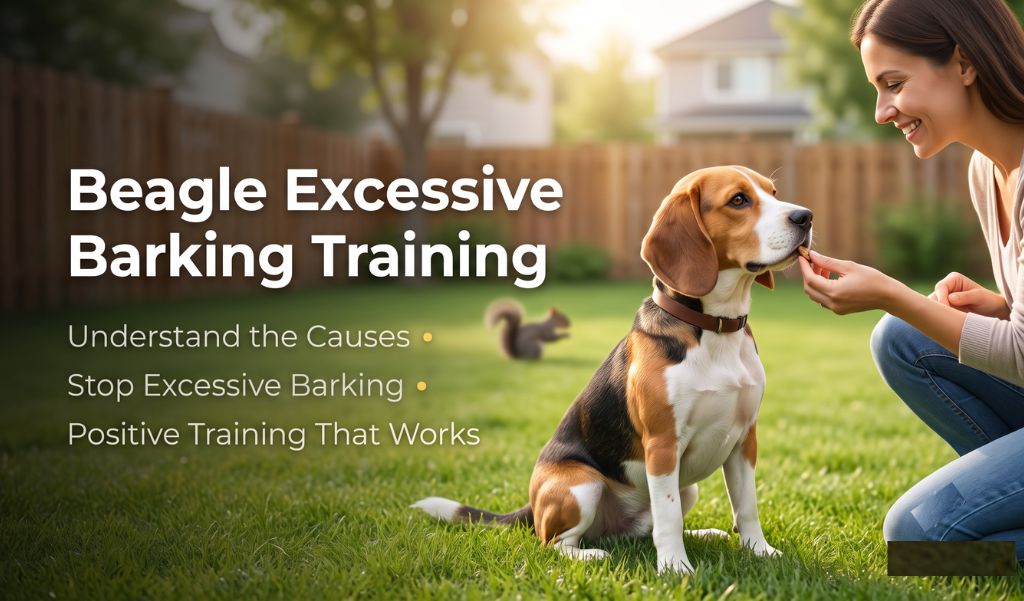
It?s tough when your dog?s barks become a constant sound in your home. You love your Beagle, but their frequent vocalizations can be stressful. You might feel frustrated, embarrassed when guests visit, or just plain tired of the noise. Many dog owners face this. It?s a common problem with a Beagle?s natural instincts.
Common Reasons for Beagle Barking
Beagles are known for being vocal dogs. They were bred as scent hounds. This means they often use their voices to alert others to interesting smells or sights. Your Beagle might be barking because they hear something. They could also be bored or lonely. Sometimes, it?s a way to get your attention.
How Beagles Use Their Voices
Think of a Beagle?s bark as their way of talking. They have different barks for different reasons. A sharp, quick bark might mean excitement. A low, continuous howl could signal they?re feeling sad or anxious. A loud, insistent bark might be them saying, “Hey! Look at this!” or “I need something!”
My Own Beagle?s Barking Story
I remember when I first got Max, my Beagle. He was a bundle of energy and joy. But when I left the house, he?d sing the song of his people. It wasn’t just a few barks; it was a full concert. The neighbors started giving me funny looks. I felt so helpless. I tried yelling, but that just made him bark more. I even tried giving him treats when he was quiet, but he?d start barking again as soon as I stopped.
One afternoon, I was trying to work from home. Max was in the backyard, and I could hear him barking at every leaf that fell. It was driving me crazy. I felt this wave of panic. Was I a bad dog owner? Would I ever have a quiet moment? That?s when I knew I had to figure this out. I spent hours researching, talking to trainers, and watching videos.
The Turning Point
The big change came when I understood why he was barking. It wasn’t out of spite. He was reacting to things he couldn’t control or feelings he couldn’t express otherwise. Once I shifted my focus from just stopping the noise to understanding the cause, things started to get better. It took time and a lot of patience. But seeing Max calm and quiet made it all worthwhile.
Beagle Barking Triggers: A Quick Look
Sounds: Doorbell, other dogs, passing cars, sirens.
Sights: Squirrels, cats, people walking by.
Feelings: Boredom, loneliness, anxiety (especially separation anxiety).
Needs: Hunger, thirst, need to go outside, desire for attention.
Excitement: Greeting you, playtime, anticipating a walk.
Understanding Your Beagle’s Barking Triggers
To help your Beagle bark less, you first need to know why they?re barking. It?s like solving a puzzle. Each bark is a clue. Is it the mail carrier at the door? Is it the cat next door strutting along the fence? Or is it just the quiet of the house making them feel alone?
Environmental Triggers
Beagles have a strong sense of smell and hearing. This means they notice things you might not. A car door slamming down the street can set them off. The rustle of leaves in the wind might sound like a critter. Even distant sirens can trigger their vocal cords. These sounds are like alarms to them.
Social and Emotional Triggers
Beagles are pack animals. They like company. When they?re left alone for too long, they can feel anxious. This is called separation anxiety. Barking is a way for them to cope with that feeling. They might also bark when they see other dogs. They could be excited, fearful, or just wanting to say hello.
Attention-Seeking Barking
Sometimes, a Beagle barks because they want something from you. This could be food, a walk, or just a good scratch. If barking always gets them what they want, they?ll keep doing it. It’s a learned behavior. They learn that barking is an effective way to communicate their desires.
Myth vs. Reality: Beagle Barking
Myth: Beagles bark because they are mean.
Reality: Beagles bark because they are communicating. It’s instinctual.
Myth: Yelling at a barking dog stops them.
Reality: Yelling can make dogs think you’re barking too. It can increase their excitement or fear.
Myth: You can never stop a Beagle from barking.
Reality: With the right training, you can manage and reduce excessive barking.
Training Your Beagle to Be Quieter: Key Strategies
Now that we understand the why, let’s look at the how. Training a Beagle takes patience and consistency. You need to teach them what you want them to do instead of barking. Positive reinforcement is the best way. This means rewarding good behavior.
Teaching the “Quiet” Command
This is a vital command. You can teach your Beagle to be quiet on cue. First, let your Beagle bark a few times at a trigger. Then, get their attention with a high-value treat. Hold the treat near their nose. As soon as they stop barking to sniff, say ?Quiet? in a calm voice. Give them the treat.
Repeat this many times. Make sure you reward them the moment they are quiet. Gradually, you can increase the time they need to be quiet before getting a treat. This command teaches them that being silent is a good thing and earns rewards.
Managing Environmental Triggers
If your Beagle barks at things outside, you need to manage their environment. Close curtains or blinds so they can?t see passersby. Use white noise machines or play calming music to mask outside sounds. If they bark at the doorbell, practice having people come to the door. Reward them for staying calm.
Addressing Boredom and Loneliness
A tired dog is a good dog. Make sure your Beagle gets enough physical exercise. Daily walks and playtime are crucial. Mental stimulation is also important. Puzzle toys, treat-dispensing toys, and training sessions can keep their minds busy. This reduces boredom barking.
If separation anxiety is an issue, start with short absences. Leave for just a few minutes. Gradually increase the time. Make sure your departures and arrivals are low-key. Don’t make a big fuss. This helps your dog feel less anxious when you?re gone.
Training Steps for “Quiet” Command
- Identify Barking: Wait for your dog to bark.
- Get Attention: Hold a tasty treat near their nose.
- Reward Silence: The moment they stop barking to sniff, say “Quiet.”
- Give Treat: Immediately give them the treat.
- Practice: Repeat this often. Gradually increase the quiet time.
The Power of Positive Reinforcement
Positive reinforcement means rewarding desired behaviors. For Beagles, this works wonders. When your Beagle is quiet and relaxed, praise them. Give them a gentle pet. Offer a small treat. This reinforces that calmness is a good thing.
What to Reward
Reward your Beagle for:
- Being silent when a trigger occurs.
- Calmly observing things outside without barking.
- Resting quietly when you are home.
- Being quiet during training sessions.
- Not barking excessively when you leave.
What to Avoid
Avoid punishment-based methods. Yelling, scolding, or using harsh physical correction can backfire. It can make your Beagle fearful. It can damage your bond. It might even make the barking worse. Stick to positive methods that build trust.
Attention-Seeking Barking: What to Do
DO NOT: Give them attention (even negative) when they bark for it.
DO: Wait for a moment of quiet.
THEN: Give them praise or the attention they want.
EXAMPLE: If your Beagle barks at you for a toy, ignore them. Wait until they are quiet, then toss the toy.
Real-World Scenarios and Solutions
Let’s look at some common situations and how to handle them. These are real things people deal with every day.
Scenario 1: The Mail Carrier at the Door
This is a classic Beagle trigger. They bark at the mail carrier.
- Solution: Train them to go to a designated “place” (like a mat) when the doorbell rings. Reward them heavily for staying on their place quietly. You can also give them a special chew toy right before the mail carrier arrives. This distracts them with something positive.
Scenario 2: Barking at Squirrels in the Yard
Beagles love to chase. They see a squirrel and go nuts.
- Solution: Keep your Beagle on a leash when in the yard if this is a big problem. Work on their recall command so they come back to you when called. If they start barking, redirect their attention with a loud clap or a favorite toy.
Scenario 3: Loneliness While You’re at Work
Your Beagle howls and barks all day.
- Solution: Provide plenty of exercise before you leave. Leave puzzle toys filled with treats. Consider a pet camera to check in. If it’s severe separation anxiety, talk to your vet or a certified dog trainer.
Quick Scan: Barking Management Tips
| Problem | Solution |
|---|---|
| Doorbell Barking | “Place” command training, pre-arrival distraction toy. |
| Outdoor Triggers | Leash time, recall training, redirection. |
| Boredom Barking | More exercise, puzzle toys, mental games. |
| Attention Barking | Ignore, reward silence, then give attention. |
When is Beagle Barking a Concern?
Most Beagle barking is normal. But sometimes, it can signal a bigger issue. It?s important to know the difference.
Normal Barking vs. Problem Barking
Occasional barks when someone arrives, or when they see a squirrel, are normal. Barking for long stretches, when there’s no apparent reason, or when it causes distress to you or neighbors, is a problem. High-pitched, incessant whining or howling might also be a sign of distress.
Signs of Separation Anxiety
If your Beagle barks, whines, or howls constantly when left alone, it?s a red flag. Other signs include destruction (especially around exits), pacing, and house-soiling. This needs specific training and sometimes vet consultation. The U.S. Humane Society offers great resources on this.
When to Seek Professional Help
If you’ve tried the basic training methods and aren’t seeing improvement, don’t give up. A certified professional dog trainer can assess your dog’s specific needs. They can create a tailored training plan. A veterinarian can rule out any underlying medical issues that might be causing increased vocalization.
Signs Your Beagle Needs Help
Persistent barking: Day and night, with no clear reason.
Destructive behavior: Chewing furniture, digging at doors.
Aggression: Growling, snapping, or biting due to barking.
Extreme anxiety: Panting, drooling, trembling when alone.
Practical Tips for a Quieter Beagle
Here are some easy tips you can start using today. They focus on making your Beagle feel secure and happy.
Consistent Routine
Dogs thrive on routine. Regular feeding times, potty breaks, and exercise sessions help reduce anxiety. A predictable schedule means your Beagle knows what to expect. This can make them feel more secure and less likely to bark out of uncertainty.
Sufficient Exercise
This cannot be stressed enough. A tired Beagle is a happy, quiet Beagle. Aim for at least 30-60 minutes of vigorous activity daily. This could include long walks, runs, or energetic play sessions. A good mental workout is also important. Use treat puzzles or play scent games.
Socialization
Proper socialization from a young age is key. Expose your Beagle puppy to various sights, sounds, people, and other well-behaved dogs. This helps them learn to react calmly to new experiences. As an adult, continue positive exposure to new situations.
“Calm Down” Signals
Learn to recognize your Beagle’s subtle signals that they are getting overstimulated or anxious. These might be lip licking, yawning, or turning their head away. Intervene before they start barking excessively. Offer a calm-down activity, like a gentle massage or a chew toy.
Daily Checklist for a Quieter Beagle
- Morning: Walk/play, potty break.
- Midday: Puzzle toy, training session, short nap.
- Afternoon: Another walk/play session, potty break.
- Evening: Dinner, calm playtime, final potty break.
Frequently Asked Questions About Beagle Barking
Here are some questions people often ask about their Beagles.
Why does my Beagle bark at night?
Nighttime barking can happen for many reasons. Your Beagle might hear noises you don’t notice. They could need to go outside.
They might be experiencing separation anxiety if they sleep alone. Ensure they have had enough exercise and a final potty break before bed. Consider a white noise machine to mask sounds.
How do I stop my Beagle from barking at other dogs?
This often stems from excitement or fear. Work on a “look at that” game. When your Beagle sees another dog at a distance they can handle, reward them for looking at it calmly.
Gradually decrease the distance. If they bark, you’re too close. Management is also key; avoid situations where they react intensely until training progresses.
Is it normal for Beagles to howl?
Yes, howling is a natural part of the Beagle vocalization range, linked to their scent hound heritage. They may howl when they hear sirens, certain music, or other dogs howling. While you can’t eliminate it entirely, you can teach them to stop howling on command by rewarding silence, similar to barking training.
My Beagle barks when I’m on the phone. How can I stop this?
This is often attention-seeking. They want your attention too. The best approach is to ignore the barking completely.
Wait for a moment of silence, then give them your attention or a treat. Practicing “place” or “stay” commands while you’re on the phone can also help train them to be calm during your calls.
Can I train my Beagle to stop barking completely?
It’s not realistic to expect a Beagle to never bark. They are naturally vocal dogs. The goal of training is to manage and reduce excessive or inappropriate barking.
You want them to bark only when truly necessary, like alerting you to a real danger, and to stop when asked.
What if my Beagle only barks when I’m not home?
This strongly suggests separation anxiety. Start by making your departures and arrivals very low-key. Never punish them for barking while you’re gone, as they won’t understand.
Focus on creating a safe, comfortable space for them. Gradual desensitization to your departure cues is vital. Consulting a professional is highly recommended for this issue.
Finding Peace with Your Vocal Beagle
Learning to manage your Beagle’s barking takes time and effort. It?s a journey of understanding your dog’s needs. By focusing on positive training, managing their environment, and meeting their exercise and mental stimulation needs, you can significantly reduce excessive barking. Remember to be patient and celebrate small victories. Your Beagle is communicating, and with the right approach, you can build a quieter, more harmonious life together.